How to Film Corporate Events for Impactful Results

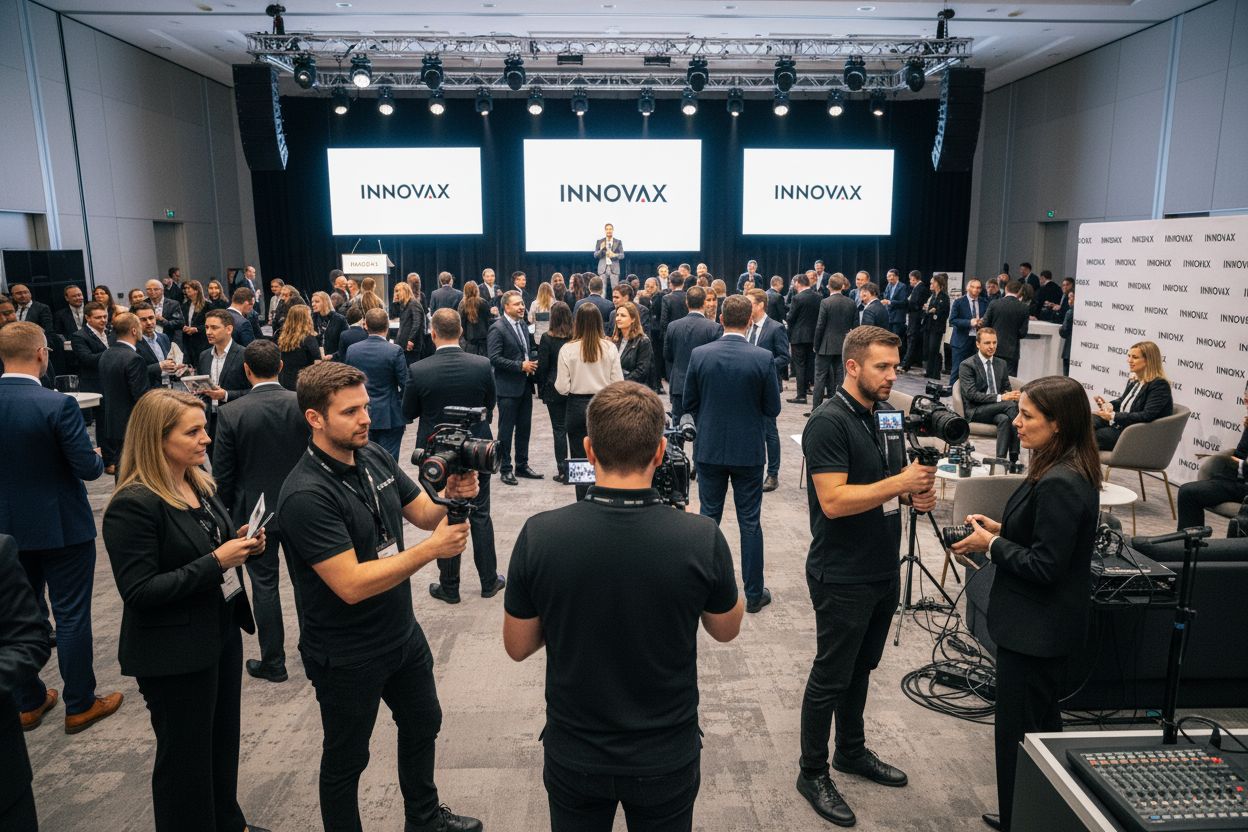
Did you know that videos improve people’s understanding of messages by up to 95 percent? In the world of corporate events, a well-produced video does more than just record what happens. It tells your story, impresses stakeholders, and keeps your message alive long after the event is over. Learn how clear objectives, smart planning, and creative filming combine to turn an ordinary event video into a tool that drives real business results.
Quick Summary
Key Point | Explanation |
1. Define clear event objectives | Establish precise goals to guide your video, ensuring it serves as a strategic communication tool. |
2. Assemble the right crew and equipment | Map event schedules and roles, ensuring you have necessary gear for high-quality coverage. |
3. Capture dynamic visuals and emotions | Direct filming to include a mix of formal content and spontaneous moments for an engaging narrative. |
4. Monitor audio and video quality in real-time | Test and adjust audio levels continuously to prevent sound issues and maintain visual clarity. |
5. Edit with strategic outcomes in mind | Organize footage effectively and create tailored edits to meet varied delivery needs and communication goals. |
Table of Contents
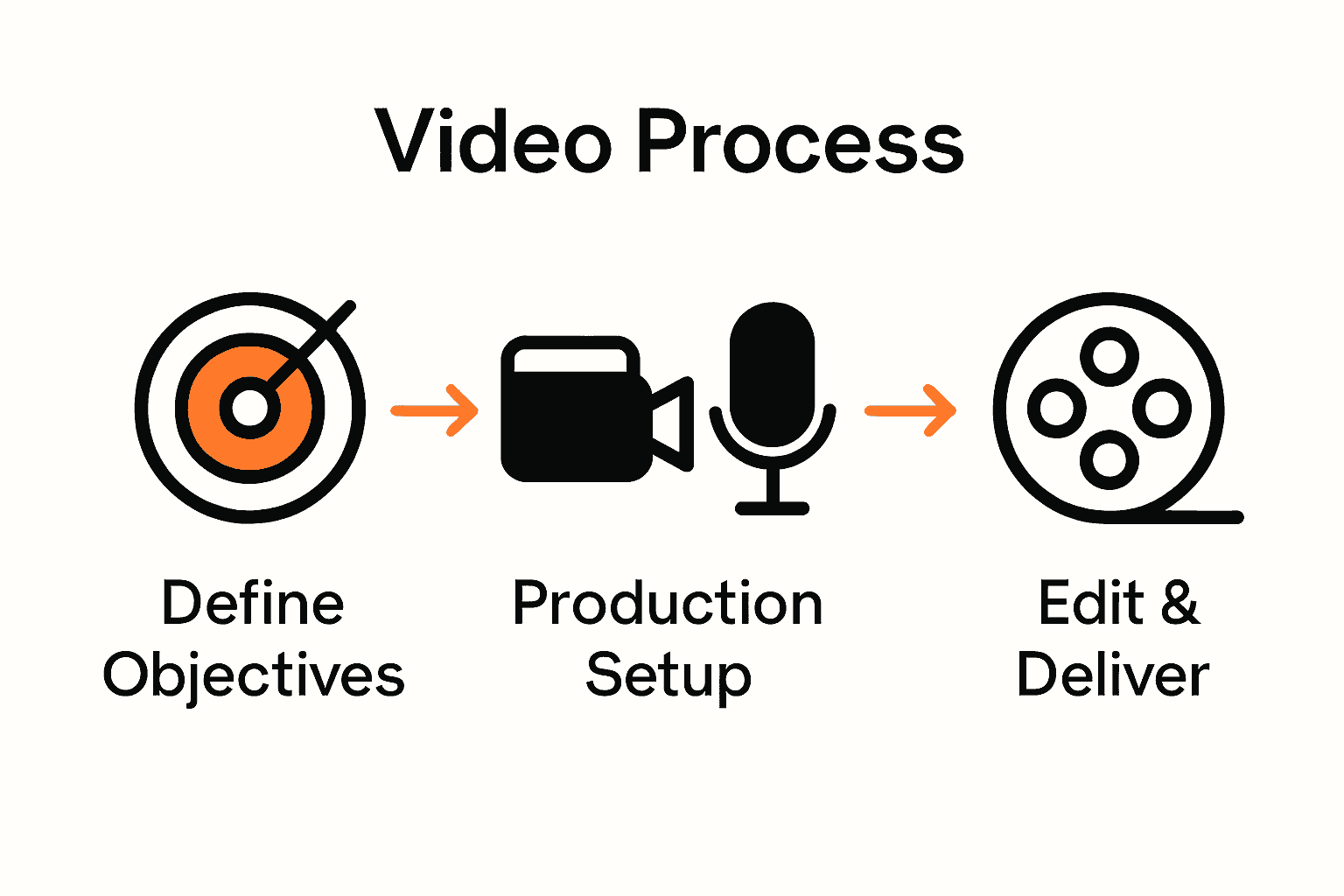
Step 1: Define event objectives and video requirements
Successful corporate event videography begins with crystal clear objectives. Your first task is establishing precise goals that will transform your video from a generic recording into a strategic communication tool.
Start by asking fundamental questions about your event’s purpose. Are you aiming to showcase company culture? Highlight product launches? Document leadership presentations? According to insights on event video strategies, your specific objectives will directly influence the video’s length, tone, and distribution strategy.
Identify your target audience with laser precision. A video targeting potential investors will look dramatically different from one designed for internal team motivation. Research from event marketing experts suggests clearly articulating who will watch this video and what key messages they need to receive.
Break down your objectives into measurable outcomes. For instance, instead of a vague goal like “capture the event,” define concrete targets such as:
Increase brand awareness by 20%
Generate at least 50 qualified leads
Create shareable content for social media channels
Document key speaker presentations for future reference
Pro Tip: Always align your video objectives with broader organizational marketing or communication strategies.
By meticulously defining your event video requirements upfront, you set the foundation for a powerful visual narrative that resonates with your intended audience. Your next step will involve selecting the right production approach to bring these objectives to life.
In our guide on understanding the role of video in event marketing, we explore additional strategies for maximizing your video’s impact.
Step 2: Plan equipment and crew for seamless coverage
Preparing the right equipment and assembling a skilled crew are critical for capturing a professional corporate event video. Your goal is to create a strategic production plan that ensures comprehensive and high quality coverage.
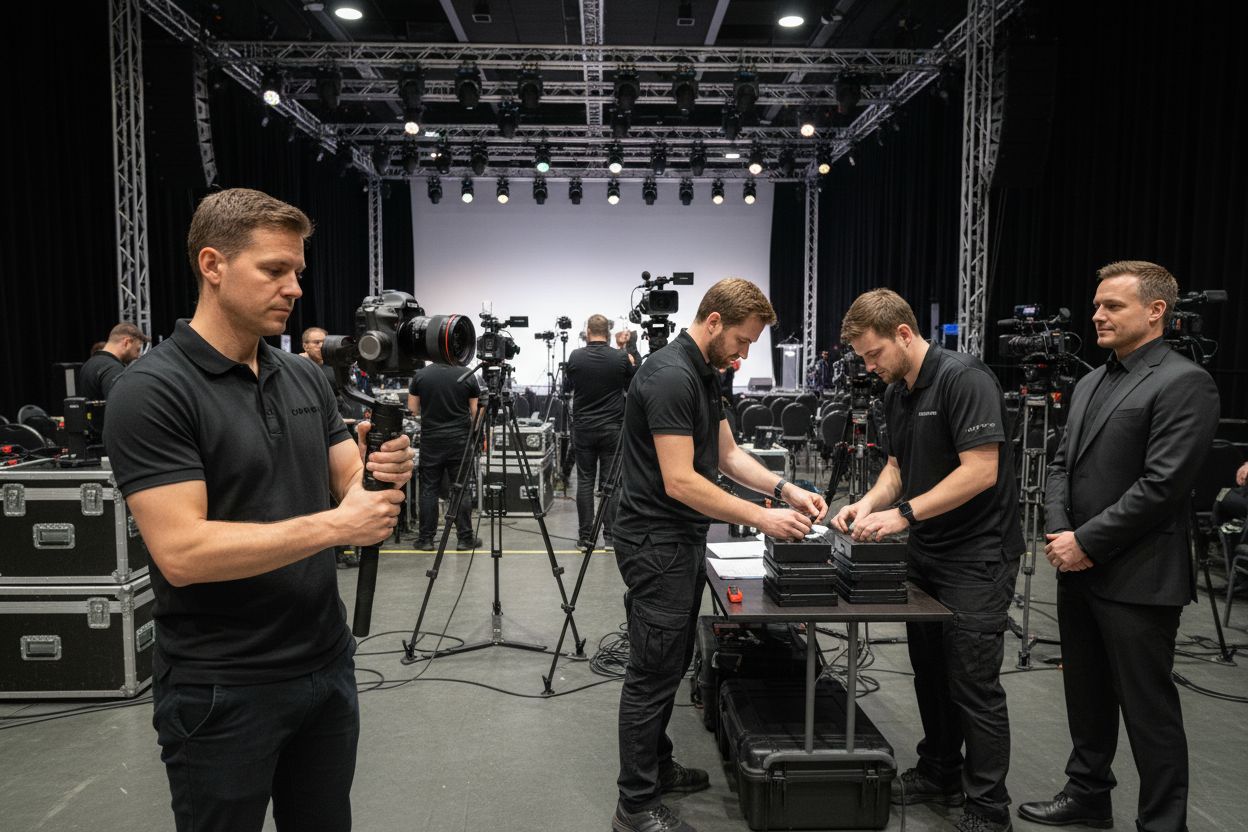
According to event videography experts, the first step is obtaining a detailed event schedule from the organizers. This allows you to map out exact filming segments, identify key speakers, and prepare targeted interview questions in advance. Knowing the event flow helps you strategically position cameras and crew for maximum impact.
Assemble a versatile crew with clearly defined roles. Typically, this means having:
Primary camera operator capturing main stage action
Secondary camera operator for alternate angles and crowd shots
Audio technician managing sound recording
Production assistant handling logistics and equipment management
Equipment selection requires careful consideration. Recommended gear typically includes:
Multiple cameras with different lens options
Wireless microphones for speakers
Stabilization equipment like gimbals
Backup batteries and memory cards
Lighting equipment for consistent visual quality
Pro Tip: Always bring redundant equipment. Having backup cameras and audio gear can save your entire production if primary equipment fails.
Research suggests drafting a comprehensive project brief that outlines goals, brand guidelines, desired style, specific deliverables, and budget constraints. This document becomes your roadmap for resource allocation and crew coordination.
In our guide on avoiding mistakes in event videography shoots, we provide additional insights into creating seamless event video coverage.
With your equipment and crew strategically planned, you are now ready to move into the execution phase of your corporate event video production.
Step 3: Set up cameras and audio for optimal capture
Capturing a corporate event requires precision and strategic technical setup. Your primary goal is creating a professional video that delivers crystal clear visuals and pristine audio while maintaining flexibility throughout the event.
According to professional videography experts, lens selection is critical. For indoor corporate venues with variable lighting, opt for fast lenses with wide apertures (F2.8 or wider). These lenses allow maximum light absorption, ensuring your footage remains crisp and well-exposed even in challenging lighting conditions.
Camera positioning demands careful planning. Use a multi-camera setup to provide varied perspectives and dynamic coverage. Position your primary camera centrally for direct stage shots, with secondary cameras capturing alternative angles and audience reactions. Stabilize your cameras using professional tripods or gimbals to eliminate unwanted shake and maintain a polished look.
Audio capture requires meticulous attention. Poor sound quality can instantly diminish an otherwise excellent video. Recommended strategies include:
Using wireless lavalier microphones for speakers
Connecting directly to venue sound systems when possible
Bringing backup microphones and audio recording devices
Testing audio levels before the event begins
Pro Tip: Always monitor audio levels in real time and have backup recording equipment ready to prevent potential sound loss.
When filming, avoid common pitfalls such as pointing cameras directly at flickering screens or positioning microphones too far from speakers. These small details can dramatically impact your final video quality.
In our guide on enhancing event sound quality, we dive deeper into audio capture techniques that can elevate your corporate event videography.
With cameras and audio strategically set up, you are now prepared to capture the event with professional precision and creative flexibility.
Step 4: Direct event filming for dynamic visuals
Crafting a compelling corporate event video requires more than technical proficiency. Your goal is to capture not just information, but the genuine emotion and energy of the moment.
Professional videographers understand that dynamic visuals go beyond standard stage presentations. According to event video production experts, the most memorable corporate videos capture the human elements that bring an event to life.
Directing your filming team means creating a comprehensive visual narrative. Focus on capturing a range of perspectives that showcase the event’s full spectrum:
Formal speaker presentations
Candid audience reactions
Networking interactions
Spontaneous moments of connection
Behind the scenes preparations
Look for authentic moments that reveal the event’s true character. Unexpected laughter, engaged conversations, and genuine applause tell a more compelling story than rigid, scripted footage. These spontaneous interactions humanize your brand and create emotional resonance with viewers.
Pro Tip: Train your camera operators to anticipate and capture genuine human moments without disrupting the event flow.
Maintain a balance between structured shots and organic capture. Move camera operators strategically to minimize disruption while ensuring comprehensive coverage. Encourage them to blend into the background, becoming invisible storytellers who capture the event’s true spirit.
In our guide on event video production, we explore additional techniques for transforming corporate events into compelling visual stories.
With dynamic visuals captured, you are now ready to curate and refine the raw footage into a powerful narrative that represents your event’s unique essence.
Step 5: Review and refine footage for professional delivery
The post-production phase transforms raw event footage into a compelling visual narrative. Your objective is to craft a polished final product that captures the event’s essence while meeting your original strategic goals.
Professional videographers understand the importance of meticulous review and strategic editing. According to event video production experts, the key is capturing sufficient content to create multiple versions tailored for different platforms and audiences.
Begin with a comprehensive media management strategy:
Create immediate backup copies of all raw footage
Organize media files with clear naming conventions
Review footage daily during production
Address technical issues immediately rather than waiting for post-production
Capture extensive B-roll footage to support editing flexibility
Edit with strategic versatility in mind. Plan for fast-turnaround deliverables such as:
Same-day highlight reels
Next-morning social media clips
Extended full-length documentation
Targeted promotional segments
Pro Tip: Always shoot more content than you think you will need. Editing is about selection and storytelling.
Focus on creating a narrative arc that communicates your event’s core message. Select clips that showcase authenticity, emotional resonance, and professional execution. Trim aggressively to maintain viewer engagement and eliminate redundant or low-impact moments.
In our guide on understanding post-production workflow, we explore advanced techniques for transforming raw footage into compelling visual stories.
With your footage refined and edited, you are now prepared to deliver a professional video that effectively communicates your event’s unique value and energy.
Here’s a comparison of the core steps and their key considerations:
Step | Main Focus | Key Actions | Pro Tips |
Define Objectives | Goals & Audience | Clarify objectives Specify audience Set measurable outcomes | Align with company strategy |
Plan Equipment & Crew | Coverage Quality | Map event schedule Assign roles Select gear | Bring backup equipment |
Set Up Cameras & Audio | Technical Setup | Choose lenses Position cameras Test audio | Monitor sound in real time |
Direct Filming | Capturing Emotion | Structure narrative Capture candid moments Minimize disruptions | Train for spontaneity |
Review & Refine | Post-production | Backup footage Edit for platforms Craft narrative arc | Shoot extra content |
Elevate Your Corporate Event Videos with Tulip Films
Are you struggling to turn your corporate event footage into a vivid story that builds real brand impact? Many businesses find capturing true emotion and energy at events challenging, even after planning their filming strategy or carefully selecting equipment. As outlined in our article, key pain points include translating event objectives into powerful visuals, ensuring flawless audio, and crafting a professional narrative that drives measurable results. The difference between an ordinary event video and one that grabs attention lies in strategy, technical expertise, and creative storytelling.

Let Tulip Films transform your next event recording into a high-impact video that connects with your audience. Our Swiss-based team of professionals understands the pressure to deliver memorable content fast and with quality. We guide you at every step from defining goals to post-production refinement. See how our recent project portfolio proves our commitment to delivering exceptional, customized videos for every occasion. Take the next step now—schedule your free consultation at www.tulipfilms.ch and let us show you how powerful your story can be.
Frequently Asked Questions
How do I define objectives for filming corporate events?
To define objectives effectively, start by clarifying your event’s purpose and identify your target audience. Break down your goals into measurable outcomes, such as increasing brand awareness by 20% or generating 50 qualified leads.
What equipment should I prepare for filming corporate events?
Prepare a versatile setup, including multiple cameras, wireless microphones, and stabilization equipment like tripods or gimbals. Ensure you have backup batteries and memory cards to avoid any interruptions during the event.
How can I set up my cameras and audio for optimal capture?
For optimal capture, use fast lenses with wide apertures to adapt to varying lighting conditions and position cameras strategically for varied perspectives. Always test your audio levels before the event begins to ensure clear sound quality throughout.
What types of moments should I capture while filming an event?
Aim to capture a mix of formal presentations, candid audience reactions, and behind-the-scenes moments that reflect the event’s energy. Look for authentic human interactions that resonate emotionally with your audience.
How do I review and edit footage to create a compelling narrative?
Begin by organizing your raw footage and making backup copies immediately after filming. Edit with a narrative arc in mind, selecting clips that showcase authenticity and trimming excess content to maintain viewer engagement.
What should I keep in mind when directing filming at an event?
While directing filming, focus on capturing dynamic visuals and maintain a balance between structured shots and spontaneous moments. Train your camera operators to anticipate genuine interactions without disrupting the event flow.
Recommended
