Understanding Post-Production Workflow Explained Clearly

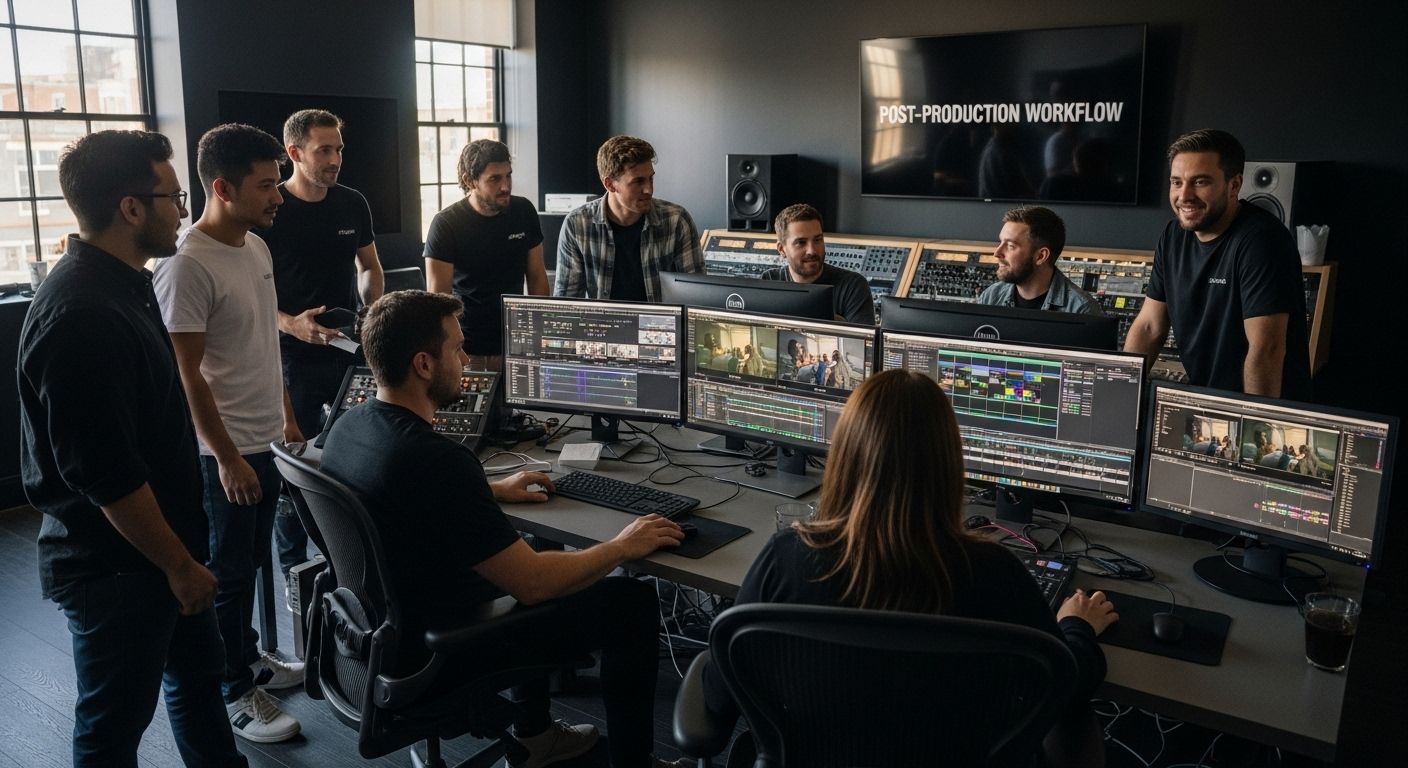
Post-production workflow is what turns scattered video clips into a stunning visual story. Most people think editing is just about cutting and splicing footage and adding some filters. But the real surprise is how much organization and teamwork go into it. Professional projects can involve over five different experts collaborating across dozens of technical stages, and that hidden complexity is what actually gives video its wow factor.
Table of Contents
Quick Summary
Takeaway | Explanation |
Post-production transforms raw footage into polished content | The post-production workflow is essential for crafting a professional final product from initial video material. |
Key stages include editing, sound, and effects | The process involves multiple stages such as editing, color correction, sound design, and visual effects to enhance storytelling. |
Workflow minimizes errors and improves quality | A structured workflow helps maintain quality, reduce mistakes, and improve overall project efficiency throughout production. |
Collaboration is vital for successful outcomes | Effective teamwork and communication among diverse specialists are critical for aligning creative vision and achieving project goals. |
Applications extend beyond traditional media | Post-production workflows are utilized in various fields, including corporate, educational, and specialized industry content creation. |
What is Post-Production Workflow and Its Importance?
Post-production workflow represents the critical sequence of creative and technical processes that transform raw video footage into a polished, professional final product. Unlike pre-production planning or on-set filming, post-production is where the true storytelling magic happens, integrating various elements to create a cohesive and compelling visual narrative.
Understanding the Core Components
A post-production workflow encompasses multiple interconnected stages that require precision, expertise, and strategic coordination. These stages typically include:
Video editing and assembly
Color grading and correction
Sound design and audio mixing
Visual effects and motion graphics
Final rendering and output preparation
According to research from Chapman University, these workflows are not just technical processes but critical pathways that transform raw visual content into engaging storytelling experiences. The workflow serves as a systematic approach that ensures creative vision, technical quality, and project efficiency are maintained throughout the production process.
Importance in Professional Video Production
Post-production workflows are fundamental for several key reasons. Professional video projects demand meticulous attention to detail and a structured approach to transforming disparate elements into a unified final product. By establishing a clear, repeatable workflow, video production teams can:
Minimize errors and revisions
Maintain consistent quality standards
Streamline communication between team members
Optimize project timelines and resource allocation
Ensure creative alignment with original project objectives
Moreover, a well-designed post-production workflow allows creative professionals to focus on storytelling and aesthetic refinement rather than getting bogged down by logistical challenges. It provides a structured framework that supports creativity while maintaining technical precision, ultimately delivering high-quality visual content that resonates with the intended audience.

Key Stages of the Post-Production Process
The post-production process is a comprehensive journey that transforms raw visual material into a refined, professional final product. This intricate sequence involves multiple specialized stages, each contributing unique technical and creative elements to the overall narrative and visual quality of the project.
Initial Video Assembly and Editing
Footage compilation represents the foundational stage of post-production, where editors carefully review and select the most compelling segments from recorded material. This process involves organizing raw clips, creating initial rough cuts, and establishing the fundamental storytelling structure. Professional video editors typically utilize advanced editing software to:
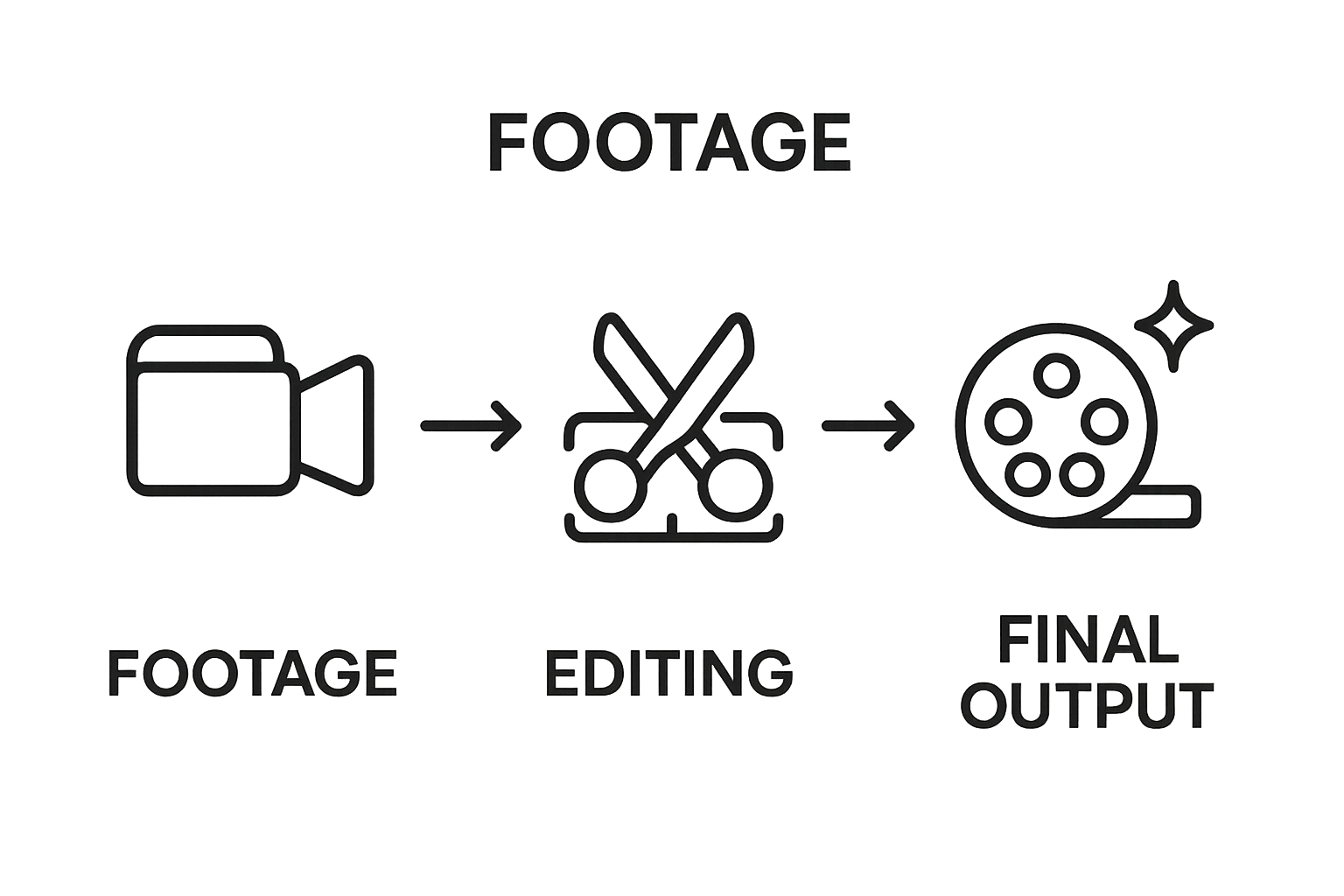
Arrange chronological sequences
Remove unnecessary or redundant footage
Create narrative flow and pacing
Establish initial visual coherence
According to professional filmmaking guidelines from the American Cinema Editors, the initial editing phase is critical in determining the project’s overall emotional impact and storytelling effectiveness.
Technical Enhancement and Refinement
After the initial assembly, post-production enters a more technical refinement phase. This stage focuses on elevating the visual and auditory quality of the project through specialized techniques. Critical technical processes include:
Color grading to establish visual mood and consistency
Sound mixing and audio restoration
Visual effects integration
Graphic design and motion graphics implementation
Each of these technical enhancements contributes to creating a polished, professional final product that meets high-quality production standards. The goal is to create a seamless viewing experience where technical elements support and amplify the core narrative.
Final Rendering and Delivery Preparation
The concluding stage of post-production involves preparing the final product for distribution across various platforms. This phase requires precise technical considerations, including:
Selecting appropriate output formats
Optimizing video resolution and compression
Ensuring compatibility with different viewing platforms
Implementing final quality control checks
Professional video production demands meticulous attention to these final details to guarantee a high-quality viewing experience across diverse digital and traditional media channels.
The following table breaks down the key stages of the post-production process, summarizing the primary activities and their purpose at each stage for quick reference.
Stage | Main Activities | Purpose |
Initial Video Assembly & Editing | Reviewing and selecting footage, rough cut creation, organizing sequences | Establish narrative flow, select best takes, set pacing |
Technical Enhancement & Refinement | Color grading, sound mixing, visual effects, motion graphics integration | Enhance aesthetics, improve technical quality, add creative elements |
Final Rendering & Delivery Preparation | Format selection, resolution optimization, quality control | Prepare for distribution, ensure compatibility, finalize quality |
How Post-Production Workflow Enhances Project Quality
Post-production workflow serves as a critical quality assurance mechanism that transforms raw visual content into refined, professional media products. By implementing systematic processes and leveraging advanced technological tools, video production teams can significantly elevate the overall quality and impact of their visual storytelling.
Precision and Creative Refinement
Quality enhancement occurs through meticulous attention to detail during post-production. Professional editors and technicians work collaboratively to identify and address potential visual and auditory imperfections. This process involves sophisticated techniques that go beyond simple corrections, focusing on:
Enhancing narrative coherence
Optimizing visual aesthetics
Balancing emotional storytelling elements
Ensuring technical excellence
According to research from the International Documentary Association, the post-production phase represents a critical intersection between technical expertise and creative vision.
Technological Tools and Quality Control
Advanced software and technological platforms play a pivotal role in quality enhancement. Professional post-production tools provide precise capabilities for:
Detailed color correction
Advanced audio restoration
Seamless visual effects integration
Comprehensive quality monitoring
These technological resources enable video production teams to achieve unprecedented levels of visual and auditory refinement, transforming good footage into exceptional visual narratives. Learn more about our video production quality standards to understand how we maintain superior project outcomes.
Consistency and Professional Standards
A structured post-production workflow ensures consistent quality across different projects. By establishing standardized processes and quality benchmarks, video production teams can:
Maintain uniform production excellence
Reduce potential technical errors
Create predictable, high-quality outputs
Build a reputation for professional reliability
Ultimately, post-production workflow represents more than a technical process. It is a comprehensive approach to storytelling that combines creative vision, technical precision, and strategic quality management to deliver compelling visual experiences.
Understanding Collaboration in Post-Production
Collaboration represents the essential backbone of successful post-production workflows, transforming individual creative talents into a unified, powerful visual narrative. The complex nature of video production demands seamless communication, shared vision, and synchronized efforts across multiple specialized professionals.
Interdisciplinary Team Dynamics
Professional collaboration in post-production involves intricate interactions between diverse specialists, each contributing unique skills and perspectives. These team members typically include:
Video editors
Sound designers
Color grading experts
Visual effects artists
Motion graphics designers
According to research examining multi-agent collaboration systems, effective teamwork requires establishing trust mechanisms and clear communication protocols that facilitate smooth information exchange and creative problem-solving.
Communication and Workflow Management
Successful post-production collaboration hinges on robust communication strategies and advanced project management tools. Digital collaboration platforms enable team members to:
Share project files securely
Provide real-time feedback
Track revision histories
Maintain transparent communication channels
Coordinate complex project timelines
These technological solutions help bridge potential communication gaps, ensuring that creative vision remains consistent throughout the production process. Check out our approach to collaborative video production to understand how we optimize team interactions.
Conflict Resolution and Creative Alignment
Navigating creative differences is an inevitable aspect of collaborative post-production. Successful teams develop structured approaches to:
Establish clear project objectives
Create constructive feedback mechanisms
Respect individual creative perspectives
Prioritize project goals over personal preferences
Develop flexible problem-solving strategies
Ultimately, collaboration in post-production transcends mere technical coordination. It represents a delicate balance of professional expertise, creative vision, and interpersonal communication, transforming individual contributions into a cohesive, compelling visual story.
To help clarify the collaborative nature of post-production, the table below summarizes the key roles and their main responsibilities within a typical professional workflow.
Role | Main Responsibility |
Video Editor | Assembles footage, creates narrative structure |
Sound Designer | Edits and mixes audio, adds sound effects |
Color Grading Expert | Adjusts color balance and visual tone |
Visual Effects Artist | Adds digital effects, compositing |
Motion Graphics Designer | Designs animated graphics and visual enhancements |
Real-World Applications of Post-Production Workflow
Post-production workflows extend far beyond traditional film and video creation, finding critical applications across diverse industries and creative domains. These systematic processes enable organizations to transform raw visual content into powerful communication tools that effectively convey messages, emotions, and complex narratives.
Corporate and Marketing Communications
Professional organizations leverage sophisticated post-production techniques to create compelling visual content that drives engagement and communicates brand narratives. These applications span multiple communication channels, including:
Corporate training videos
Marketing promotional materials
Internal communication documentaries
Brand storytelling content
Product demonstration videos
According to research on remote workflow technologies, modern post-production approaches enable businesses to create high-quality visual content more efficiently and cost-effectively than traditional production methods.
Educational and Training Content
Educational institutions and professional training programs utilize advanced post-production workflows to develop immersive learning experiences. Specialized video production techniques help create:
Interactive online course materials
Technical skill demonstration videos
Scientific research presentation videos
Instructional documentary content
Complex procedural training modules
Discover how we craft impactful video portfolios that showcase the transformative potential of professional post-production techniques in various professional contexts.
Specialized Industry Applications
Post-production workflows find unique applications across specialized sectors, including:
Medical training simulations
Legal evidence presentation
Architectural visualization
Scientific research documentation
Engineering project demonstrations
These diverse applications demonstrate that post-production is not merely a technical process but a sophisticated storytelling mechanism. By combining technical precision with creative vision, professionals can transform raw visual content into powerful communication tools that inform, inspire, and engage audiences across multiple domains.
Ready to Turn Your Post-Production Challenges Into Powerful Results?
Creating a seamless post-production workflow is not easy. Tackling technical hurdles, coordinating creative teams, and maintaining a high level of quality can quickly become overwhelming. As highlighted in the article, details like precise video editing, color grading, and expert audio work all need focused attention. When these steps are rushed or handled without expertise, the final product can fall short of your brand’s standards and fail to engage your audience.

Why risk losing impact or wasting time on revisions? At Tulip Films, our specialized team handles every step of the post-production process with precision. We use advanced editing tools, trusted workflows, and close collaboration to guarantee that your message connects with viewers every time. Visit our main site to discover our latest projects, or learn more about how our quality focus can enhance your next video. Ready for a transformation? Book a free consultation and see how you can move from uncertainty to standout results—starting today.
Frequently Asked Questions
What is post-production workflow?
Post-production workflow refers to the sequence of creative and technical processes that transform raw video footage into a polished final product. It includes stages like video editing, color grading, sound design, and more.
Why is post-production workflow important?
Post-production workflow is crucial for ensuring attention to detail, maintaining quality standards, streamlining communication within the production team, and optimizing project timelines, ultimately leading to high-quality visual narratives.
What are the key stages of post-production?
The key stages of post-production include initial video assembly and editing, technical enhancement and refinement (like color grading and sound mixing), and final rendering and delivery preparation to ensure compatibility across various platforms.
How does collaboration impact the post-production process?
Collaboration is vital in post-production as it involves teamwork among specialists such as video editors and sound designers. Effective communication and project management tools help align creative visions and ensure a cohesive final product.
Recommended
