Understanding the Role of Video in Event Marketing

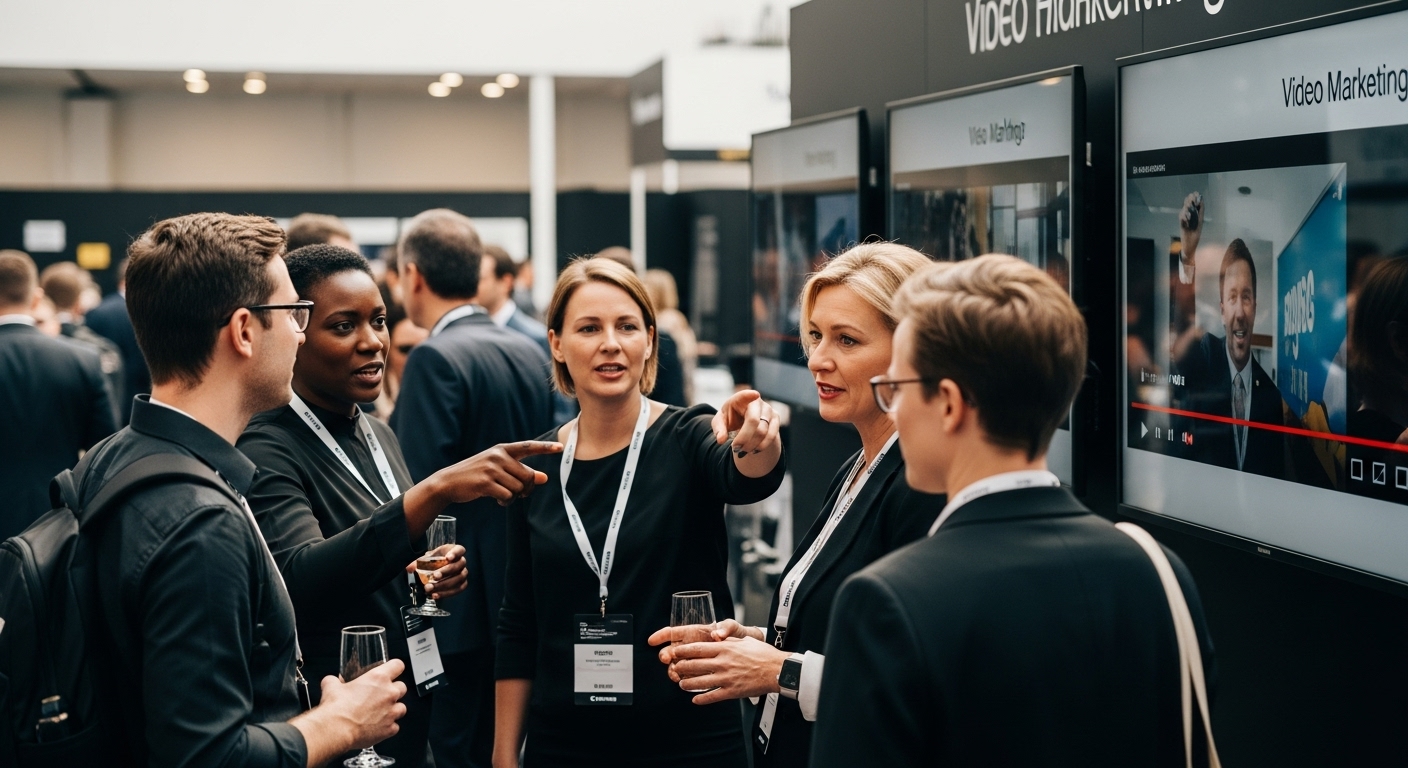
Video marketing in events is reshaping the way organizations connect with their audiences. Studies show that video content generates much higher engagement and emotional response than plain text or static images. Surprising, right? Yet most event organizers still treat video as just a way to record what happened. The real power lies in using video as a strategic tool that turns fleeting moments into compelling stories people actually remember and share.
Table of Contents
Quick Summary
Takeaway | Explanation |
Video marketing enhances event promotion. | Utilizing video allows for captivating storytelling that engages potential attendees effectively. |
Emotional connections drive audience engagement. | Videos create relatable content that resonates on a deeper emotional level than text or images. |
Diverse video formats maximize impact. | Implementing various video types ensures comprehensive coverage and enhances audience interaction. |
Interactive features elevate viewer participation. | Incorporating live streaming and polls encourages active involvement, transforming viewers into participants. |
Video content extends event life cycle. | Creating post-event videos keeps the experience alive, drawing in future audiences and reinforcing brand messaging. |
What is Video Marketing in Events?
Video marketing in events represents a strategic approach to leveraging visual storytelling and multimedia content to engage audiences, communicate event experiences, and drive promotional objectives. At its core, this technique transforms traditional event communication by creating dynamic, immersive narratives that capture the essence of live experiences.
Defining Video Marketing for Events
Video marketing in events goes beyond simple documentation. It is a sophisticated communication strategy that uses video content to showcase event highlights, capture emotional moments, and extend the event’s reach far beyond physical boundaries. By converting live experiences into shareable, compelling visual stories, organizations can create lasting impressions and generate significant audience engagement.
According to research in business communication strategies, video marketing has become a critical tool for organizations seeking to communicate complex experiences effectively. The approach involves multiple content types:
Promotional trailers announcing upcoming events
Live streaming of keynote presentations
Post-event recap videos
Behind-the-scenes documentary-style content
Testimonial and participant experience recordings
Strategic Importance of Event Video Marketing
The strategic value of video marketing in events extends well beyond immediate visual appeal. It serves multiple critical functions in modern communication ecosystems. Organizations use event videos to:
Build brand credibility and transparency
Create shareable content for social media platforms
Provide alternative access for remote audiences
Generate long-term marketing collateral
Demonstrate organizational expertise and thought leadership
By transforming ephemeral live moments into persistent, high-quality visual narratives, video marketing enables events to transcend temporal and geographical limitations. The approach allows businesses to craft compelling stories that resonate with diverse audiences, turning singular moments into expansive, impactful communication experiences.
The following table outlines the main ways video marketing delivers strategic advantages for event promotion and long-term impact, as detailed throughout the article.
Strategic Value | Explanation |
Build Brand Credibility | Presents honest and authentic narratives that boost trust |
Create Shareable Social Content | Generates video assets adaptable for widespread social platforms |
Enable Remote and Inclusive Access | Allows audiences beyond the venue to take part |
Produce Long-Term Marketing Collateral | Generates content reusable for future campaigns |
Demonstrate Expertise and Thought Leadership | Showcases keynote speakers and expert panels |
Why Video is Essential for Event Promotion
Video has emerged as a critical medium for transforming event promotion strategies, offering unparalleled capabilities to capture attention, communicate experiences, and drive audience engagement. The power of visual storytelling transcends traditional marketing approaches, creating immersive narratives that resonate deeply with potential participants.
Capturing Audience Imagination
Visual content creates emotional connections that text and static images cannot replicate. Videos provide a multisensory experience that allows potential attendees to preview an event’s atmosphere, energy, and unique value proposition. According to research on promotional video effectiveness, short-form video content significantly enhances perceived value and generates trust among viewers.
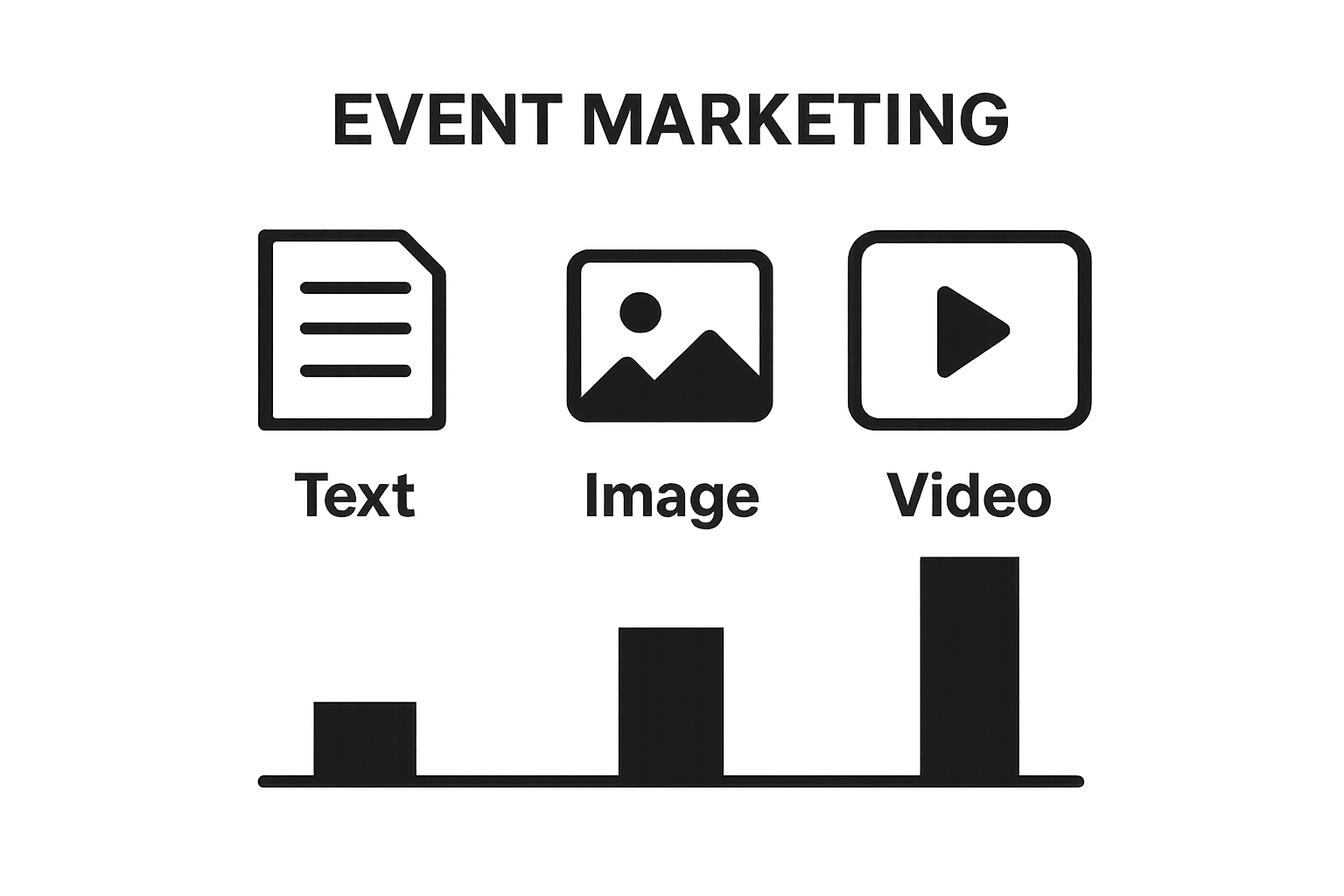
The most compelling event promotion videos accomplish multiple objectives:
Showcase event highlights and unique experiences
Communicate the event’s core message and purpose
Provide glimpses of potential networking opportunities
Demonstrate the event’s professional production quality
Create anticipation and excitement
Expanding Reach and Engagement
Modern event promotion requires strategies that extend beyond traditional marketing channels. Videos enable organizations to break geographical and temporal barriers, allowing content to be shared across multiple platforms and reaching global audiences. By exploring our video production techniques, event organizers can craft narratives that transform passive viewers into active participants.
Key advantages of video in event promotion include:
Increased social media shareability
Higher engagement rates compared to text-based content
Ability to showcase speaker credentials and event atmosphere
Simplified complex event concepts through visual storytelling
Enhanced search engine optimization (SEO) performance
By leveraging video marketing, events can create dynamic, memorable promotional campaigns that not only inform but also inspire potential attendees to participate, connect, and engage with the proposed experience.
How Video Enhances Audience Engagement
Video content represents a powerful mechanism for creating deep, meaningful connections with audiences, transforming passive viewers into active participants through immersive storytelling and emotional resonance. By leveraging visual and auditory stimuli, organizations can craft experiences that transcend traditional communication barriers.
Emotional Connection and Storytelling
Video uniquely captures human emotion through multisensory storytelling, enabling audiences to experience narratives more intimately than text or static imagery. Research on communication strategies demonstrates that incorporating personal interviews and authentic narratives significantly increases viewer engagement and emotional investment.
Key elements that drive emotional engagement include:
Personal storytelling techniques
Authentic representation of human experiences
Genuine emotional expressions
Relatable narrative arcs
Compelling visual metaphors
Interactive and Participatory Experiences
Modern video strategies go beyond passive consumption, creating interactive environments that encourage audience participation. By exploring our video production capabilities, organizations can develop content that transforms viewers from spectators to active contributors.
Engagement mechanisms in video content include:
Live streaming with real-time commentary
Interactive polling and feedback channels
Behind-the-scenes glimpses
User-generated content integration
Personalized viewing experiences
By understanding audience psychology and leveraging technological capabilities, video content can create immersive experiences that not only inform but also inspire, connect, and motivate viewers to take meaningful action.
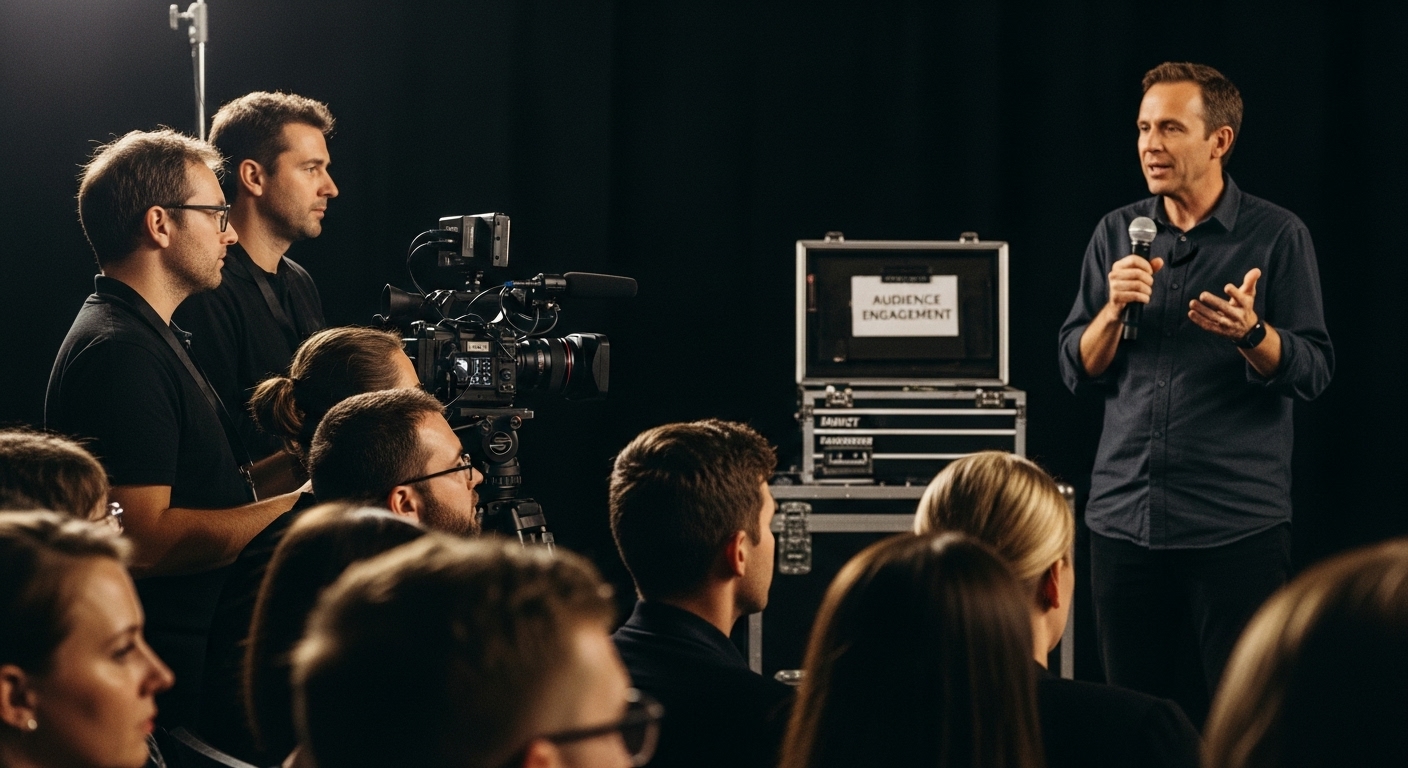
Key Concepts: Types of Event Videos
Event video production encompasses a diverse range of formats designed to capture, communicate, and enhance different aspects of live experiences. Understanding these variations allows organizations to strategically leverage video content for maximum impact and audience engagement.
Promotional and Pre-Event Videos
Promotional videos serve as critical ambassadors for upcoming events, creating anticipation and providing potential attendees with compelling visual narratives. Research from educational video taxonomy highlights the importance of diverse production styles in generating audience interest.
Key types of promotional event videos include:
Event teaser trailers
Speaker highlight reels
Venue and location showcases
Testimonial compilation videos
Animated event concept visualizations
Live and Documentary-Style Recordings
Documentary-style event videos transform momentary experiences into lasting narratives, capturing the essence of live interactions and providing comprehensive documentation. By exploring our video production techniques, organizations can create immersive visual records that extend an event’s lifecycle.
Comprehensive event video recording formats encompass:
Full keynote session recordings
Panel discussion highlights
Behind-the-scenes documentary footage
Live streaming with real-time commentary
Interactive participant experience compilations
These varied video formats enable organizations to create rich, multi-dimensional representations of events that engage audiences before, during, and long after the actual experience.
To help distinguish the many types of videos used in event marketing, the following table categorizes key event video formats and summarizes their core purposes.
Video Type | Description | Primary Purpose |
Promotional Trailer | Short video introducing and promoting the event | Generate excitement and inform |
Live Stream | Real-time broadcast of presentations or sessions | Expand reach to remote audiences |
Post-Event Recap | Highlights and memorable moments captured after event | Extend event lifecycle and highlight key moments |
Documentary-Style/Behind-the-Scenes | In-depth look at event preparation or behind the curtain | Humanize the event, build transparency |
Testimonial/Participant Experience | Firsthand accounts from attendees or participants | Build credibility and relate to new audience |
Real-World Examples of Successful Event Videos
Successful event videos demonstrate the transformative power of strategic visual storytelling, illustrating how organizations can leverage multimedia content to amplify their message, engage audiences, and create lasting impressions. These real-world examples showcase the nuanced approaches that differentiate exceptional event videography.
Corporate and Conference Storytelling
Corporate events provide rich opportunities for compelling video narratives that go beyond traditional documentation. Research analyzing online public engagement reveals that videos capturing authentic moments and genuine interactions generate significantly higher audience connection.
Standing out corporate event video strategies include:
TED Talks’ signature speaker highlight reels
Apple’s product launch keynote recordings
World Economic Forum’s panel discussion compilations
Google I/O conference recap videos
Microsoft Ignite’s technical presentation documentaries
Cultural and Non-Profit Event Narratives
Non-profit and cultural events leverage video to communicate complex narratives and emotional experiences. By exploring our video production techniques, organizations can transform event documentation into powerful storytelling tools that inspire action and understanding.
Notable examples of impactful event videos include:
United Nations global summit highlights
Climate change conference documentaries
International arts festival performance recordings
Humanitarian aid event testimonial compilations
Social justice conference recap videos
These examples demonstrate how strategic video production can transcend mere documentation, creating immersive experiences that communicate purpose, emotion, and meaningful human connections.
Transform Your Event Marketing With Powerful Video Solutions
Are you struggling to turn your live event moments into lasting engagement or reach audiences beyond the event space? As discussed in the article, real success in event marketing relies on strategic video storytelling that builds emotional connection and encourages participation. Capturing attention with shareable, vivid narratives is no longer optional. Viewers today expect more than basic documentation—they want immersive experiences and authentic stories that drive action and brand loyalty.
If you want your next event to have memorable impact, let Tulip Films help you translate these best practices into results-driven video content. Our team specializes in creating high-quality event videos that highlight your unique story and bring your vision to life. Take your communication strategy to a new level with captivating visuals tailored to your audience.

Ready to see your event shine on any screen? Visit www.tulipfilms.ch to explore our personalized approach and schedule your free consultation today. Act now to ensure your next event becomes the story everyone is talking about.
Frequently Asked Questions
What is video marketing in events?
Video marketing in events is a strategic approach that uses multimedia content to engage audiences, showcase experiences, and achieve promotional objectives, transforming traditional event communication into dynamic visual narratives.
Why is video essential for event promotion?
Video is critical for event promotion as it creates emotional connections, captures audience attention, enhances perceived value, and generates trust, all while expanding reach and engagement across various platforms.
How can video enhance audience engagement during events?
Video enhances audience engagement by creating immersive storytelling experiences, fostering emotional connections, and encouraging interaction through live streaming, real-time feedback, and user-generated content integration.
What types of event videos should be produced for effective marketing?
Effective event marketing should include promotional videos like teaser trailers and speaker highlight reels, as well as live and documentary-style recordings that capture key moments and experiences during the event.
Recommended
