Complete Guide to Video Content for Property Listings

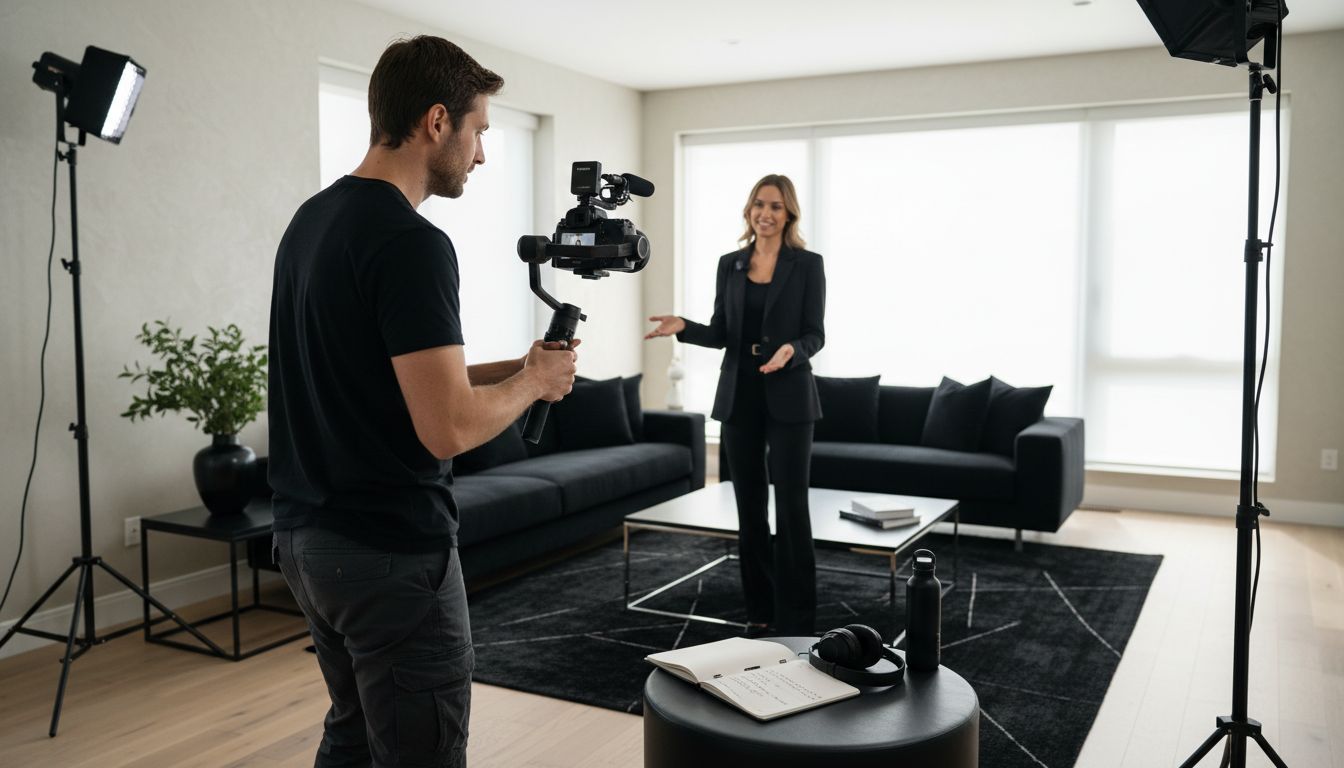
Over 70 percent of american homebuyers say video content helps them truly understand a property’s layout and appeal. In a competitive real estate market, standing out takes more than a few photos and a detailed description. Video transforms static listings into immersive experiences, helping both sellers and agents connect with their audience in ways that traditional marketing cannot. Learn how powerful video strategies can change the way properties are presented and boost engagement across every listing.
Table of Contents
Key Takeaways
Point | Details |
Impact of Video Content | Video listings increase inquiries by 403%, highlighting the effectiveness of visual storytelling in real estate. |
Types of Video Content | Including virtual tours, cinematic walk-throughs, and drone footage enriches property presentations and engages potential buyers. |
Key Elements for Success | High-quality cinematography and compelling narratives are crucial for transforming ordinary listings into captivating visual stories. |
Legal Compliance | Adherence to privacy regulations is essential in Switzerland, requiring explicit consent and purpose limitations for video recordings. |
Defining Video Content in Property Listings
Video content in property listings represents a dynamic visual storytelling method that transforms traditional real estate marketing by offering immersive, engaging property presentations. According to ZipDo, 73% of homeowners find videos helpful in understanding properties, underscoring the significant impact of visual content in real estate communication.
Property video content goes beyond simple recordings, encompassing strategic visual narratives that highlight a property’s unique characteristics, spatial relationships, and emotional appeal. These videos can include cinematic walk-throughs, drone footage, detailed room explorations, and contextual neighborhood perspectives.

HouseTour research demonstrates emerging technologies are even enabling advanced 3D camera trajectories and natural language summaries that enhance property visualization.
Effective video content typically incorporates several key elements:
High-quality cinematography
Smooth camera movements
Proper lighting and staging
Clear audio narration
Strategic property highlighting
By transforming static property listings into compelling visual stories, Creating Stunning Real Estate Videos with Ease helps professionals create engaging content that captures potential buyers’ attention and communicates property value more effectively than traditional photography.
Types of Real Estate Listing Videos
Real estate video content has evolved far beyond simple property snapshots, offering diverse formats to showcase properties and engage potential buyers. ZipDo reveals that listings with videos receive an impressive 403% more inquiries, highlighting the critical importance of strategic video approaches in modern real estate marketing.
Video formats in property listings range from traditional to innovative, each serving unique communication objectives. Predis.ai outlines several compelling video types that help real estate professionals tell compelling property stories:
Virtual Tours
360-degree immersive experiences
Self-guided property exploration
Remote viewing capabilities
Cinematic Walk-throughs
Professional videography
Narrative-driven property presentations
Emotional connection with spaces
Drone Footage
Aerial property perspectives
Neighborhood and landscape context
Unique visual storytelling
Short-form Social Media Videos
Quick, engaging property highlights
Platform-specific content (TikTok, Instagram)
Rapid information transmission
By understanding these varied video approaches, real estate professionals can strategically select video types that best represent their specific property and target audience, maximizing engagement and potential buyer interest.
Key Elements of Effective Property Videos
Creating compelling property videos requires a strategic approach that goes beyond simple visual documentation. ZipDo reports that real estate videos increase engagement time on listings by an average of 88%, demonstrating the powerful impact of well-crafted visual content in capturing potential buyers’ attention.
Technical and Creative Elements play a crucial role in developing standout property videos. Predis.ai highlights several key components that transform ordinary property presentations into engaging narratives:
Key Technical Considerations:
Lighting: Balanced, natural illumination
Camera Quality: High-resolution equipment
Stability: Smooth, professional camera movements
Audio Clarity: Clear sound with minimal background noise
Key Creative Considerations:
Storytelling: Narrative that highlights property unique features
Emotional Connection: Creating a sense of potential home lifestyle
Strategic Framing: Showcasing spaces from most flattering angles
Pacing: Maintaining viewer interest through dynamic presentation
Real estate professionals can master the art of video storytelling by understanding these critical elements, transforming property listings from static presentations to immersive visual experiences that resonate with potential buyers.
Legal Compliance for Swiss Property Videos
Navigating the legal landscape of property videos in Switzerland requires a nuanced understanding of data protection and privacy regulations. Properti highlights that video surveillance of private property is permitted only when it strictly complies with the Swiss Data Protection Act, ensuring recordings serve specific, predefined purposes without infringing on individual privacy rights.
Key Legal Considerations for property video production include several critical guidelines:
Privacy Protection Requirements:
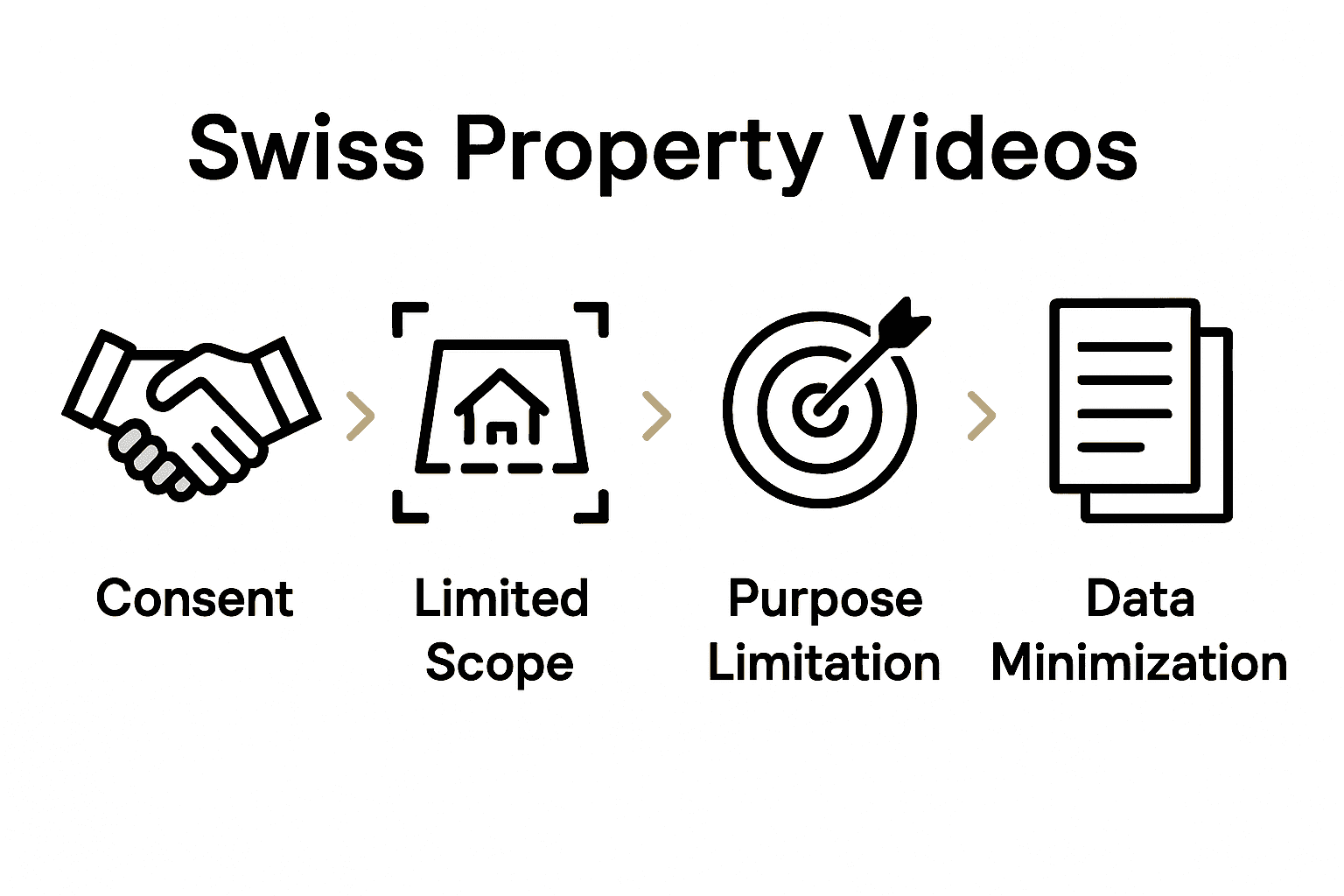
Consent: Obtain explicit permissions from individuals who might be filmed
Limited Scope: Restrict video recording to owned property boundaries
Purpose Limitation: Use recordings only for intended real estate marketing purposes
Data Minimization: Capture only necessary visual information
Technical Compliance Strategies:
Avoid filming public spaces or neighboring properties
Implement clear signage indicating video recording
Secure and limit access to recorded footage
Permanently delete recordings after marketing purposes are fulfilled
Understanding real estate videography involves recognizing that while Home Security Switzerland confirms homeowners can monitor their property with cameras, strict adherence to legal boundaries remains paramount in protecting individual privacy rights.
Maximizing Engagement and Avoiding Pitfalls
Creating compelling property videos requires strategic thinking beyond basic visual presentation. ZipDo reveals that including videos in listings increases the chance of appearing in top search results by 50%, underscoring the critical importance of high-quality video content in digital real estate marketing.
Engagement Strategies are essential for capturing and maintaining viewer attention. Predis.ai recommends several key approaches to create ‘screen appeal’ and maximize viewer interest:
Common Engagement Pitfalls to Avoid:
Overly Long Videos: Keep content concise and focused
Poor Lighting: Ensure professional, clear visual quality
Inconsistent Narrative: Maintain a clear, compelling story
Lack of Emotional Connection: Highlight lifestyle potential
Proven Engagement Techniques:
Create dynamic, fast-paced visual sequences
Utilize platform-specific content strategies
Showcase unique property features
Incorporate professional, high-quality audio
Real estate professionals can prevent viewer drop-off by understanding these critical engagement principles, transforming property videos from simple listings to compelling visual narratives that capture potential buyers’ imagination and interest.
Elevate Your Property Listings with Expert Video Production
Video content is transforming real estate marketing by offering immersive and emotionally engaging property presentations. If you want to overcome challenges like capturing buyer attention, creating strategic visual stories, and ensuring legal compliance in Swiss property videos, Tulip Films has the tailored solutions you need. We specialize in producing high-quality cinematic walk-throughs, drone footage, and virtual tours designed to highlight your property’s unique features and boost inquiries.
Ready to turn your listings into compelling visual stories that attract serious buyers and increase engagement? Discover how our professional, personalized approach can make your real estate videos stand out. Take the next step now by planning a free consultation at Tulip Films. Learn more about mastering property video storytelling or the role of video in property marketing with our expert insights and services.
Frequently Asked Questions
What are the benefits of using video content in property listings?
Video content significantly enhances property listings by providing immersive and engaging presentations, helping potential buyers understand properties better. Listings with videos receive an impressive increase in inquiries and engagement time.
What types of video formats are effective for showcasing real estate?
Effective video formats for real estate include virtual tours, cinematic walk-throughs, drone footage, and short-form social media videos. Each serves unique objectives, from offering immersive experiences to quick highlights.
What key elements should be included in a property video for maximum impact?
Key elements include high-quality cinematography, smooth camera movements, proper lighting, clear audio narration, and strategic highlighting of the property’s unique features to create a compelling visual story.
What legal considerations should I be aware of when creating property videos?
When producing property videos, it’s crucial to obtain consent from individuals filmed, limit recordings to property boundaries, and adhere to data protection laws to safeguard privacy rights. Ensuring compliance with these regulations is essential for successful video marketing.
Recommended
