Understanding Why Visual Branding Matters for Success


Visual branding is everywhere you look. From giant billboards to the color on your favorite app’s icon, these choices shape how brands speak without saying a word. But here is what most people miss. The human brain can process visuals up to 60,000 times faster than text. This means your brand’s visual identity is quietly making a first impression before a single message gets read. The real surprise is how deep these visuals run in building trust and loyalty long before a purchase ever happens.
Table of Contents
Quick Summary
Takeaway | Explanation |
Visual branding communicates brand essence | It conveys personality, values, and storyline through visual elements like logos and colors. |
Consistency builds trust and recognition | A cohesive visual identity across platforms reinforces reliability and helps consumers remember the brand. |
Emotional connections drive consumer loyalty | Effective visual elements evoke feelings, influencing purchasing decisions and fostering brand loyalty. |
Strategic design differentiates in crowded markets | Unique visual elements help a brand stand out from competitors, attracting attention and engagement. |
Visual branding reflects organizational values | Cohesive design elements mirror a brand’s core goals and ethos, creating authentic connections with audiences. |
What Is Visual Branding and Its Core Elements?
Visual branding represents the strategic visual communication framework that defines how a company presents itself to the world. More than just a logo or color palette, it encompasses the comprehensive visual language that communicates a brand’s personality, values, and unique narrative.
The Fundamental Visual Identity Components
Visual branding comprises several critical elements that work together to create a cohesive and memorable brand experience. According to research from ResearchGate, these core components include:
Logo: The primary visual symbol representing your brand
Color Palette: A consistent set of colors that evoke specific emotional responses
Typography: Font styles that reflect brand personality
Imagery: Visual content that reinforces brand messaging
Strategic Visual Communication Principles
Effective visual branding goes beyond aesthetic appeal. It serves as a powerful communication tool that helps businesses differentiate themselves in competitive markets. Learn more about crafting compelling visual narratives that resonate with your target audience.
The psychology behind visual branding is profound. Colors, shapes, and design elements trigger specific emotional responses that can significantly influence consumer perceptions and decision making.
A well-designed visual brand creates instant recognition, builds trust, and communicates professionalism without uttering a single word.
Whether you are a startup or an established organization, investing in a robust visual branding strategy is crucial. It transforms abstract brand values into tangible, memorable visual experiences that connect with your audience on a deeper, more intuitive level.
Below is a table summarizing the fundamental elements of visual identity and the core strategic elements behind effective visual branding, providing a side-by-side comparison for clarity.
Visual Identity Component | Description | Core Strategic Branding Element | Description |
Logo | The primary visual symbol representing your brand | Vision | Communicating long-term organizational goals |
Color Palette | Consistent set of colors that evoke specific emotional responses | Culture | Reflecting internal values and ethos |
Typography | Font styles reflecting brand personality | Positioning | Defining unique market stance |
Imagery | Visual content that reinforces brand messaging | Personality | Creating distinctive brand character |
Relationship | Establishing meaningful audience connections |
The Importance of Visual Branding for Businesses
Visual branding transcends mere aesthetic design. It represents a strategic business asset that directly influences customer perception, market positioning, and competitive advantage. By carefully crafting a distinctive visual identity, businesses can communicate their core values and unique selling propositions without uttering a single word.
Building Credibility and Trust
According to Maryville University’s research, a well-defined brand identity plays a crucial role in establishing organizational credibility. Professional visual branding signals:
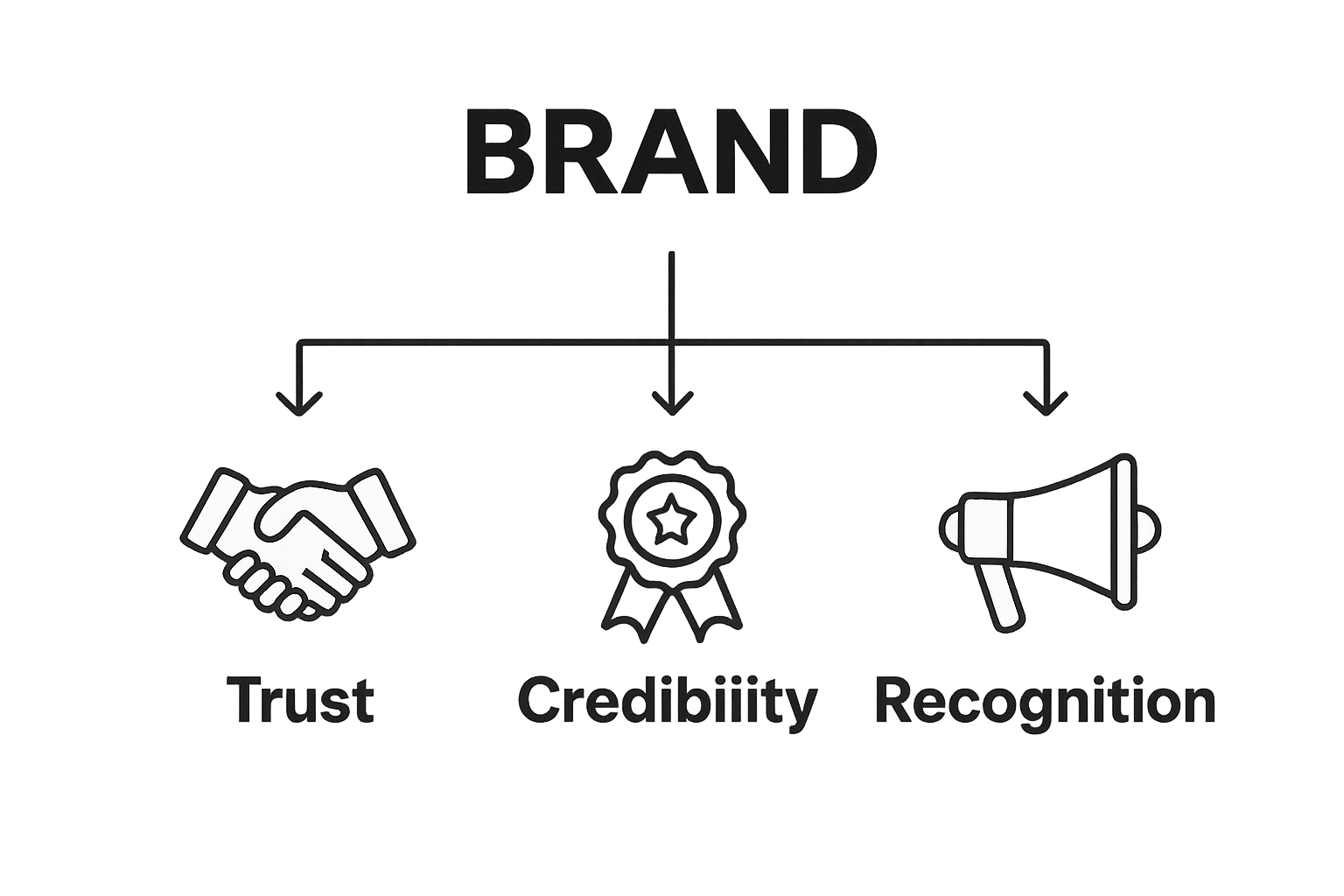
Reliability: Demonstrates attention to detail and commitment to quality
Professionalism: Communicates organizational competence
Consistency: Reinforces brand messaging across multiple platforms
Strategic Market Differentiation
In a crowded marketplace, visual branding becomes your silent ambassador. Unique visual elements help businesses stand out from competitors, creating immediate recognition. Explore advanced visual storytelling techniques that can transform your brand narrative.
Beyond attracting attention, effective visual branding drives emotional connections. When customers encounter a visually coherent brand experience, they are more likely to develop trust, loyalty, and positive associations. This psychological connection translates directly into business performance, influencing purchasing decisions and brand preference.
The following table outlines how key aspects of visual branding connect to psychological triggers and business outcomes, offering a quick reference for understanding their practical impact.
Visual Branding Aspect | Psychological Trigger or Business Benefit |
Colors | Evoke specific emotional and cultural responses |
Logos | Facilitate instant brand recall |
Consistency | Builds trust and reinforces reliability |
Professionalism | Communicates organizational competence |
Unique Visual Elements | Help brands stand out and attract engagement |
Emotional Connection | Drives loyalty and influences consumer purchasing decisions |
Aligned Visual Messaging | Increases sense of authenticity and reliability |

Businesses that invest in robust visual branding strategies position themselves for long-term success. By transforming abstract brand values into compelling visual narratives, organizations can create memorable experiences that resonate deeply with their target audience.
How Visual Branding Influences Consumer Perception
Visual branding is a powerful psychological tool that shapes how consumers interpret and interact with brands. Beyond aesthetic appeal, it serves as a silent communicator of organizational values, personality, and credibility through strategic visual elements that trigger immediate emotional responses.
The Psychology of Visual Perception
According to research in Sustainability, visual brand identity profoundly impacts consumer attitudes and perceptions. The human brain processes visual information exponentially faster than text, making visual branding a critical mechanism for instant communication. Key psychological triggers include:
Color Associations: Different colors evoke specific emotional and cultural responses
Symbol Recognition: Logos create immediate brand recall
Visual Consistency: Builds trust through predictable design language
Emotional Connection and Brand Trust
Visual branding functions as a nonverbal communication strategy that establishes emotional connections before rational analysis occurs. Discover how visual storytelling transforms brand narratives and creates deeper audience engagement.
Unconscious decision making plays a significant role in consumer interactions. When visual elements align with brand messaging, consumers experience a sense of authenticity and reliability. This alignment creates a subconscious trust mechanism that influences purchasing behaviors and brand loyalty.
Consumers do not just buy products. They invest in visual experiences that resonate with their personal identity, aspirations, and emotional expectations. A well-crafted visual brand becomes a powerful differentiator in competitive markets, transforming abstract corporate values into tangible, memorable visual stories that connect meaningfully with target audiences.
Key Concepts and Strategies Behind Effective Visual Branding
Effective visual branding transcends simple design principles. It requires a strategic approach that harmonizes visual elements, communicates organizational values, and creates a memorable brand experience that resonates with target audiences.
Core Strategic Elements
According to research in Business Research Quarterly, brand identity encompasses multiple interconnected dimensions. Successful visual branding integrates several critical strategic components:
Vision: Communicating long-term organizational goals
Culture: Reflecting internal values and ethos
Positioning: Defining unique market stance
Personality: Creating distinctive brand character
Relationship: Establishing meaningful audience connections
Designing Cohesive Visual Narratives
Explore advanced visual branding techniques that transform abstract concepts into compelling visual stories. Consistency becomes the cornerstone of effective visual communication. Every visual touchpoint must seamlessly represent the brand’s core identity, from color schemes and typography to imagery and design language.
Strategic visual branding requires thoughtful integration of design principles that transcend aesthetic considerations. It involves creating a holistic visual ecosystem where each element works synergistically to communicate the brand’s essence. Successful brands understand that visual identity is not just about looking good, but about creating an immersive experience that builds emotional connections, establishes credibility, and differentiates them in competitive markets.
Transform Your Brand Story With Powerful Visual Branding
Struggling to create a cohesive brand identity that actually connects with your audience? The article explains how visual branding is much more than just a good-looking logo or colors. True brand success depends on making an immediate emotional impact and earning trust through well-crafted visuals. If your message feels lost or you worry that your visuals are not building credibility, that is exactly where tailored video content can make the difference.

See how strategic audiovisual storytelling can build instant recognition, boost trust, and put your brand ahead of the competition. Visit Tulip Films to explore custom video solutions designed to reflect your unique identity. Let our experts help you turn brand values into captivating visuals and real results. Take your brand to the next level now by requesting your free consultation.
Frequently Asked Questions
What is visual branding?
Visual branding is the strategic visual communication framework that defines how a company presents itself through visual elements like logos, colors, typography, and imagery, conveying the brand’s personality and values.
Why is visual branding important for businesses?
Visual branding is vital as it helps establish credibility, signals professionalism, and differentiates a brand in competitive markets, influencing customer perceptions and building trust.
How does visual branding influence consumer perception?
Visual branding influences consumer perception by triggering emotional responses and establishing trust through recognizable design elements. It allows instant communication of brand values and personality.
What are the core elements of effective visual branding?
The core elements of effective visual branding include logos, color palettes, typography, and imagery, which work together to create a cohesive and memorable brand experience.
Recommended
