Streamline Your Video Marketing Workflow for Greater Engagement

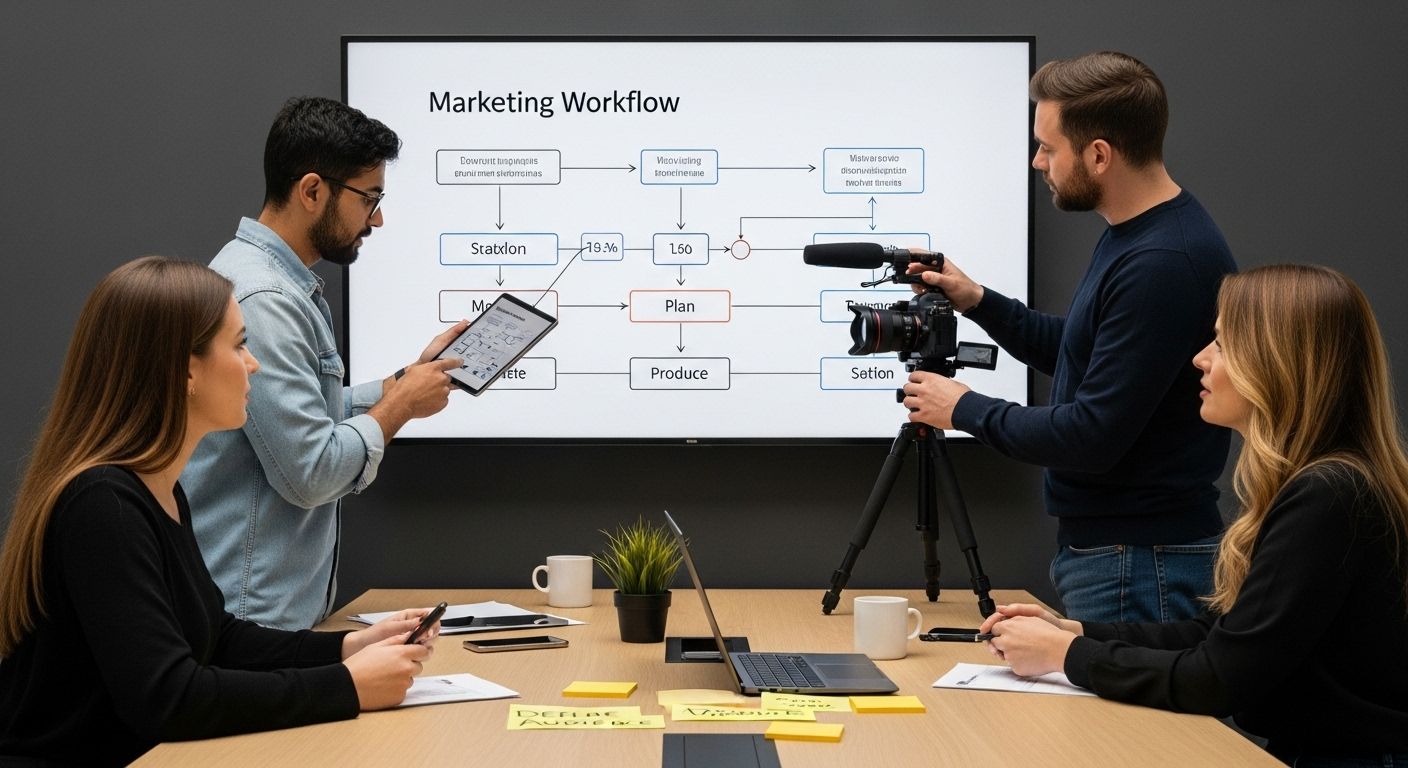
Video marketing can seem overwhelming when every platform wants something different and attention spans keep shrinking. Studies show that mapping out detailed audience personas goes far beyond age and location, uncovering motivations and habits that actually drive engagement. Most people think fancy equipment or viral trends make or break your content. These matter less than you think. What truly transforms scattered videos into a marketing powerhouse is a clear workflow built on understanding your viewers and your purpose from the very start.
Table of Contents
Quick Summary
Key Point | Explanation |
1. Define your audience and goals | Understand audience personas and set SMART goals to guide video production. |
2. Create a strategic content calendar | Plan your video content across timelines, considering trends and platform requirements. |
3. Prioritize high-quality production | Focus on storytelling and proper equipment to engage your audience effectively. |
4. Optimize videos for each platform | Tailor video formats and content for specific channels to enhance visibility and engagement. |
5. Analyze performance and adapt strategy | Use data analytics to refine future video content and improve audience connection. |
Step 1: Define Your Target Audience and Goals
Creating an effective video marketing workflow begins with crystal clear audience understanding and strategic goal setting. Before you press record or design your first frame, you need a precise blueprint that guides your entire video production process.
Start by conducting comprehensive audience research that goes beyond basic demographics. Map out detailed audience personas that capture not just age and location, but deeper psychological insights like professional challenges, content consumption habits, and communication preferences. According to West Virginia University, understanding audience nuances is fundamental to creating resonant video content.
Develop specific, measurable goals that align with your broader marketing objectives. Are you seeking brand awareness, lead generation, product education, or customer retention? Each goal demands a different video strategy. For instance, a brand awareness video requires a different approach compared to a detailed product tutorial. Your goals should follow the SMART framework: Specific, Measurable, Achievable, Relevant, and Time-bound.
Document your findings in a comprehensive audience and goals worksheet. This living document will serve as your video marketing workflow’s strategic compass. Include key details such as:
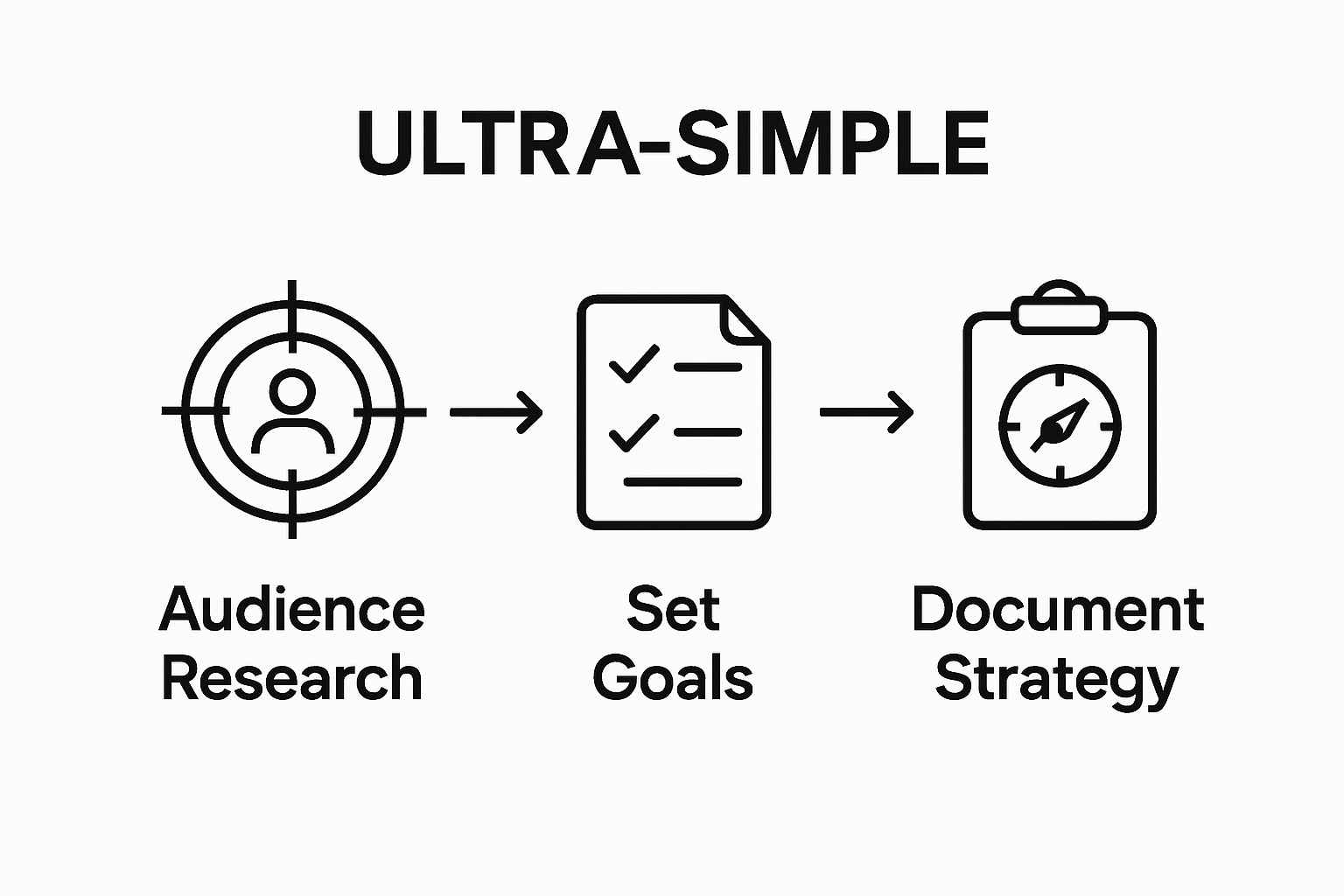
Primary audience demographics
Audience pain points and motivations
Specific video marketing objectives
Key performance indicators (KPIs) for measuring success
By meticulously defining your target audience and goals, you transform your video marketing from a random creative exercise into a strategic, purposeful communication tool. This foundational step ensures every video you produce is intentional, targeted, and primed for maximum engagement.
Step 2: Create a Content Calendar and Plan Your Videos
A strategic content calendar transforms your video marketing from sporadic efforts into a cohesive, purposeful campaign. This critical step bridges your audience understanding with actionable video production planning, ensuring consistent and targeted content delivery.
Begin by selecting a robust digital planning tool that matches your workflow complexity. Google Sheets, Trello, or specialized marketing platforms like Mastering Your Video Storytelling Workflow can help structure your content strategy. Map out your video content across monthly or quarterly intervals, considering seasonal trends, product launches, and audience engagement patterns.
According to West Virginia University, effective content planning involves understanding platform-specific requirements and audience consumption behaviors. Design your calendar to include critical details for each planned video:
Proposed video topic and purpose
Target audience segment
Estimated production timeline
Distribution channels
Key performance indicators
Consider diversifying your video content types to maintain audience interest. Mix educational tutorials, behind-the-scenes glimpses, client testimonials, and product demonstrations. Allocate specific timeframes for each video type, ensuring a balanced content mix that keeps your audience engaged and attracts new viewers.
Finalize your content calendar by cross-referencing it with your initial audience research and marketing goals. Review the plan critically, asking whether each proposed video genuinely serves your strategic objectives. A well-constructed content calendar acts as a roadmap, guiding your video marketing workflow with precision and intentionality.
Step 3: Produce High-Quality Video Content
Producing exceptional video content requires more than technical skills it demands strategic creativity and meticulous execution. Your goal is to transform your carefully planned content calendar into compelling visual narratives that capture and retain audience attention.
Professional equipment matters, but storytelling trumps gear every time. Invest in reliable audio recording devices, a stable camera or smartphone with high-resolution capabilities, and adequate lighting. While professional studios offer perfect conditions, many remarkable videos are created in simple, well-prepared environments. Consider our comprehensive corporate video guide for advanced production insights.
According to West Virginia University, effective video production centers on understanding your message and audience. Draft a clear script that communicates your core message concisely. Practice multiple takes, focusing on natural delivery and authentic energy. Authenticity resonates more powerfully than perfection.
Prepare your production environment meticulously. Choose locations with clean backgrounds, minimal ambient noise, and consistent lighting. For talking head videos, position yourself near natural light sources or use soft, diffused artificial lighting. Test your audio recording quality before filming the entire sequence. Small details like background clutter, sound interference, or poor framing can significantly diminish video quality.
Essential production checklist for verification:
Clean, uncluttered filming location
Proper lighting setup
High-quality audio equipment
Multiple video takes for selection
Backup storage for raw footage
Remember that video production is an iterative process. Each recording teaches you something new about your communication style, technical skills, and audience engagement. Embrace imperfections, learn continuously, and remain committed to delivering value through your visual storytelling.
Step 4: Edit and Optimize Your Videos for Multiple Platforms
Editing transforms raw footage into powerful storytelling vehicles that resonate across different digital landscapes. Platform-specific optimization is no longer optional it’s essential for capturing audience attention in an increasingly fragmented media environment.
Choose professional editing software that matches your skill level and technical requirements. Tools like Adobe Premiere Pro, Final Cut Pro, and DaVinci Resolve offer robust features for creating polished content. Explore our storytelling workflow guide for advanced editing techniques that elevate your visual narrative.
According to West Virginia University, understanding platform-specific requirements is crucial for video optimization. Each social media platform demands unique formatting considerations. Instagram requires square or vertical videos under 60 seconds, while LinkedIn favors professional, slightly longer content. YouTube allows more extended formats, making it ideal for detailed tutorials and comprehensive storytelling.
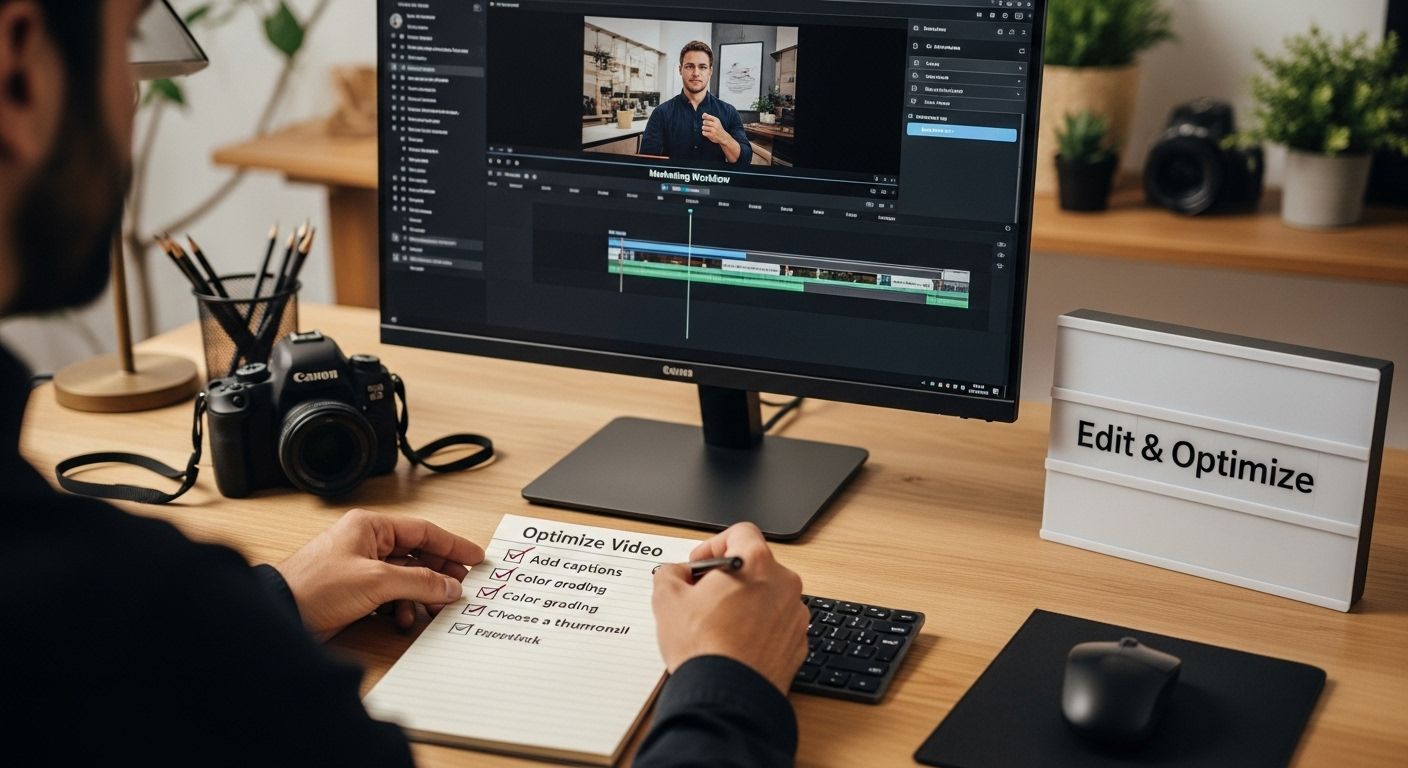
Technical optimization goes beyond mere formatting. Compress videos appropriately to maintain quality while reducing file size. Add subtitles for accessibility and to engage viewers watching without sound. Create compelling thumbnails that encourage clicks, and ensure your first few seconds capture immediate attention. Color correction, smooth transitions, and judicious use of graphics can dramatically enhance viewer engagement.
Essential editing verification checklist:
Video length matches platform specifications
High-quality audio with minimal background noise
Clear, readable subtitles
Smooth color grading and transitions
Optimized file size without compromising visual quality
Remember that editing is an art of strategic reduction. Every second counts. Trim unnecessary footage, maintain a tight narrative flow, and always prioritize your core message. Your goal is to create videos that not only look professional but also deliver value quickly and memorably.
Here is a checklist that covers the essential steps to verify before you finalize your video editing and optimization process.
Task | Details |
Video length matches platform specifications | Ensure each video conforms to the required duration and aspect ratio. |
High-quality audio with minimal background noise | Check for clear sound and remove any distracting audio elements. |
Clear, readable subtitles | Add accurate captions for accessibility and silent viewing. |
Smooth color grading and transitions | Apply consistent color correction and seamless transitions between scenes. |
Optimized file size without compromising visual quality | Compress videos appropriately to balance quality and loading speed. |
Step 5: Distribute and Promote Your Videos Effectively
Distribution is where your carefully crafted video content transforms from potential to powerful. Strategic promotion determines whether your videos will languish in digital obscurity or capture audience imagination and drive meaningful engagement.
Start by understanding each platform’s unique ecosystem. YouTube demands different optimization strategies compared to LinkedIn or Instagram. Check out our creative corporate video strategies to refine your approach. Leverage platform-specific features like hashtags, targeted advertising, and native video upload capabilities to maximize reach.
According to West Virginia University, effective video distribution requires a multi-channel approach. Cross-platform promotion amplifies your message, allowing different audience segments to discover your content through their preferred channels. Repurpose longer videos into bite-sized clips for social media, creating multiple touchpoints that drive traffic back to your primary content.
Paid promotion can exponentially extend your organic reach. Invest strategically in targeted advertising on platforms where your ideal audience congregates. Use precise demographic and interest-based targeting to ensure your videos appear before viewers most likely to engage. Monitor advertising performance meticulously, adjusting targeting and creative elements based on real-time analytics.
Essential distribution verification checklist:
Videos uploaded to minimum 3 relevant platforms
Optimized titles and descriptions for each platform
Targeted advertising campaigns initiated
Engagement tracking mechanisms installed
Cross-platform promotion strategy implemented
Remember that distribution is an ongoing process of testing, learning, and refinement. Track your metrics closely, be willing to experiment with new platforms and formats, and continuously adapt your strategy based on audience response.
Below is a distribution checklist to ensure your video content reaches its full potential across all relevant channels.
Task | Description |
Videos uploaded to minimum 3 relevant platforms | Share videos on multiple platforms to expand reach. |
Optimized titles and descriptions for each platform | Craft platform-specific metadata for better discoverability. |
Targeted advertising campaigns initiated | Launch paid promotions based on audience targeting. |
Engagement tracking mechanisms installed | Set up analytics tools to monitor performance. |
Cross-platform promotion strategy implemented | Share content and drive traffic across different channels. |
Step 6: Analyze Performance and Adjust Your Strategy
Performance analysis transforms raw data into actionable insights that drive continuous video marketing improvement. This critical step separates successful video marketers from those merely creating content without strategic direction.
Utilize comprehensive analytics tools native to each platform, such as YouTube Analytics, Facebook Insights, and LinkedIn Video Analytics. Learn more about creative video strategies that can help interpret these metrics effectively. Look beyond vanity metrics like views and focus on engagement rates, watch time, audience retention, and conversion performance.
According to West Virginia University, understanding audience behavior requires deep analytical examination. Pay attention to specific metrics that reveal audience interaction. Where do viewers drop off? Which segments generate the most comments or shares? These insights help you refine future content strategies and understand what truly resonates with your target audience.
Develop a systematic approach to performance review. Create a monthly or quarterly review process where you comprehensively assess your video marketing performance. Compare current metrics against your initial goals, identifying areas of success and opportunities for improvement. Experiment with different content formats, video lengths, and storytelling approaches based on your analytical findings.
Essential performance analysis checklist:
Compile performance metrics across all platforms
Compare results against original marketing objectives
Identify top-performing content characteristics
Document viewer engagement patterns
Develop actionable improvement recommendations
Remember that data-driven iteration is the cornerstone of an effective video marketing workflow. Each video becomes a learning opportunity, helping you progressively refine your approach and create more compelling, engaging content that truly connects with your audience.
Transform Your Video Marketing Workflow into Real-World Results
Feeling overwhelmed by the many steps of video marketing, from scripting and production to optimizing content for every platform? This article highlights how important it is to define your audience, streamline content planning, and track performance for real engagement. If you are still spending too much time on technical details or struggling to keep your message consistent, it is time to let experts help you achieve real impact.

Let Tulip Films bring your video marketing strategy to life with custom solutions built around your business objectives and brand story. From expert corporate video production to creative storytelling and fast delivery, our team handles every stage of your workflow. Discover how you can engage, inform, and convert with professional content tailored to your goals. Take the next step now by booking your free consultation at www.tulipfilms.ch.
Frequently Asked Questions
How do I define my target audience for video marketing?
To define your target audience, conduct comprehensive research that goes beyond demographics. Create detailed audience personas that capture professional challenges, content consumption habits, and communication preferences to guide your video production.
What are SMART goals in video marketing?
SMART goals are specific, measurable, achievable, relevant, and time-bound objectives. They help in determining the success of your video marketing efforts by setting clear benchmarks and expectations for your campaigns.
What types of videos should I include in my content calendar?
Your content calendar should feature a mix of video types such as educational tutorials, behind-the-scenes glimpses, client testimonials, and product demonstrations. This variety helps maintain audience interest and attracts new viewers.
Why is video editing important for different platforms?
Video editing is crucial because each platform has specific requirements for video format and length. Optimizing your videos for each platform increases engagement by ensuring your content fits the preferences of viewers on those platforms.
Recommended
