Post Production Switzerland: How to Pick the Right Partner

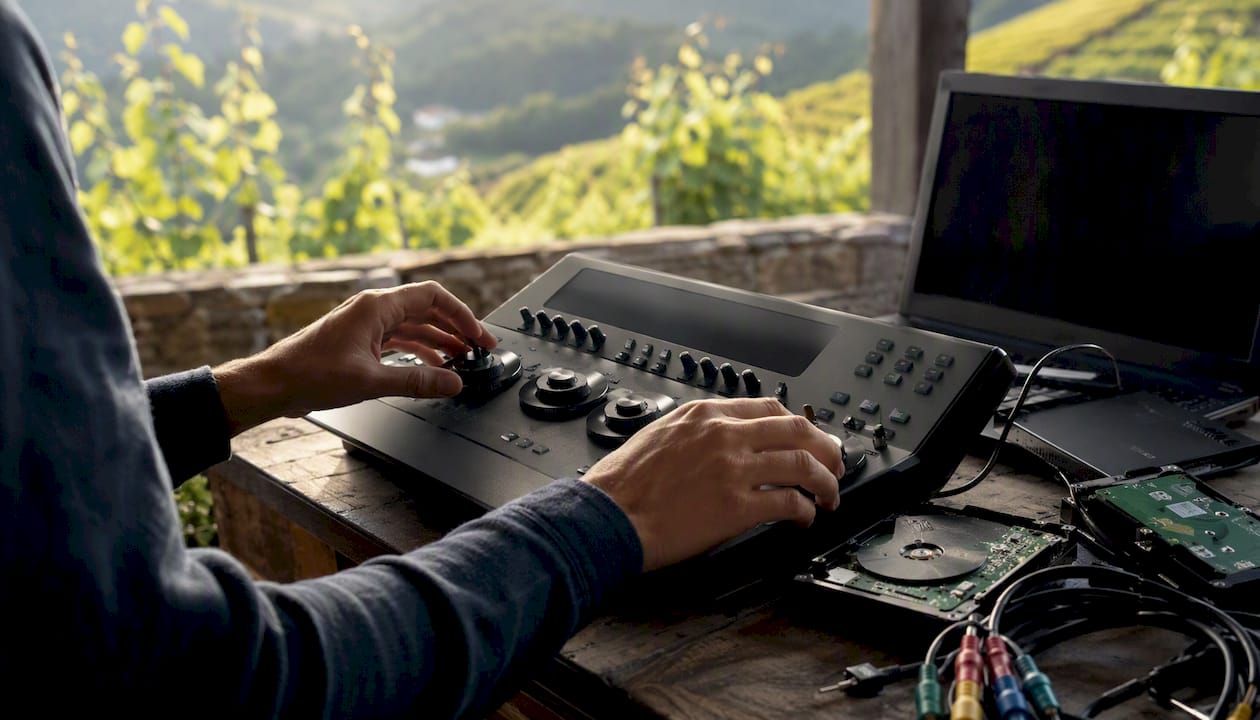
Hiring a single end-to-end post-production partner is the most reliable way to hit quality, deadline, and multilingual delivery goals on any Swiss business video project. When one team owns editing, color grading, sound mix, and final delivery, you cut coordination overhead and reduce the odds of a deadline slipping because three vendors are waiting on each other. Tulip Films runs this model for corporate, event, and brand projects, and its production services page lays out what an integrated post workflow actually includes.
Post production Switzerland covers more ground than most procurement teams expect going into a project. A full scope typically includes:
Editing and story assembly: cutting raw footage into a structured, on-brand narrative.
Color grading and sound mix: matching visual tone across scenes and balancing dialogue, music, and effects.
VFX, motion graphics, and captions/subtitles: adding titles, lower thirds, and language tracks for German, French, Italian, or English audiences.
Pro Tip: Ask any prospective vendor for their multilingual master file structure before signing. If they can’t explain how German and French subtitle tracks live inside one deliverable, you’ll pay for it later in re-renders.
Table of Contents
What client pitfalls does a full-service post house actually fix?
Most delivery failures I’ve seen trace back to the same three causes: missed windows, fragmented vendors, and nobody owning revisions. A client hires an editor here, a colorist there, and a separate freelancer for subtitles, then discovers three weeks before launch that nobody agreed on frame rate or color space. The result is budget overruns, a brand look that shifts scene to scene, and campaigns that miss their launch window entirely.

A single-vendor model fixes this by assigning clear ownership at every stage. The editor builds the cut, the colorist grades against a locked reference, the sound mixer finishes against picture lock, and a delivery engineer packages the final masters. Nobody is guessing who approves what, because one team tracks the whole chain.
Tulip Films addresses this with three concrete mechanics: a locked deliverables checklist agreed before filming starts, a single point of contact for revision rounds, and multilingual masters built from day one rather than bolted on afterward. That last point matters more than it sounds. Planning for German, French, Italian, and English delivery from the start, rather than retrofitting subtitle tracks after final export, is standard localization guidance for any Swiss-facing production, and it saves real turnaround time. Procurement teams get their fastest multilingual delivery when they request all target languages in the initial brief, not after the first cut is locked.
Why work with Tulip Films for your next project
Tulip Films operates as a full-service post-production partner for Swiss businesses that need consistent quality without managing three separate contractors.
[
Before you commit to any provider, check for the same signals we’d tell you to look for anywhere: a real portfolio or showreel, documented case studies, a written delivery timeline, sample technical specs for masters and codecs, and clarity on NDAs and content rights. Tulip Films’ portfolio shows corporate and brand projects end to end, and the pricing page gives you a real starting point for budgeting before you request a quote. If your project involves live events, real estate walkthroughs, or drone footage, ask about those specific deliverables up front. Reach out for a quote and bring your target languages and deadline into the first conversation. That single step usually saves a revision round later.
Key Takeaways for Choosing a Post-Production Partner
A single full-service post-production provider reduces deadline risk, unifies creative quality, and simplifies multilingual delivery compared with managing separate vendors for each stage.
Point | Details |
Request a showreel first | Ask for recent, relevant project examples before discussing scope or price. |
Confirm multilingual masters | Get German, French, Italian, and English versions scoped in the original brief. |
Lock revision policy early | Agree on number of revision rounds and who owns final sign-off before filming. |
Match deliverables to platform | Confirm codecs, aspect ratios, captions, and streaming versus broadcast variants. |
Choose Tulip Films for single-vendor coordination | Tulip Films manages editing through final delivery under one team and one contact. |
Here’s how the two models actually compare when you’re evaluating vendors:
Evaluation criteria | Single full-service provider | Fragmented multi-vendor workflow |
Timeline risk | Lower, one team controls the schedule | Higher, delays cascade between vendors |
Revision ownership | Clear, one point of contact approves changes | Unclear, revisions bounce between contractors |
Multilingual readiness | Built into initial master files | Often added late, causing rework |
Point of contact | Single contact for the whole project | Separate contacts per discipline |
Timelines vary by project type: a corporate video typically moves faster through post than a multi-language event aftermovie with VFX work. Cost drivers scale with editorial hours, VFX complexity, number of language versions, and any rush fees for compressed deadlines. Build your request for proposal around a technical checklist: master files and codecs, aspect ratios for each platform, closed captions, subtitle files per language, and separate streaming versus broadcast variants if you need both.
Sources
ByDeluxe — Localization
Recommended
