Guide to Effective Video Storytelling for Brands

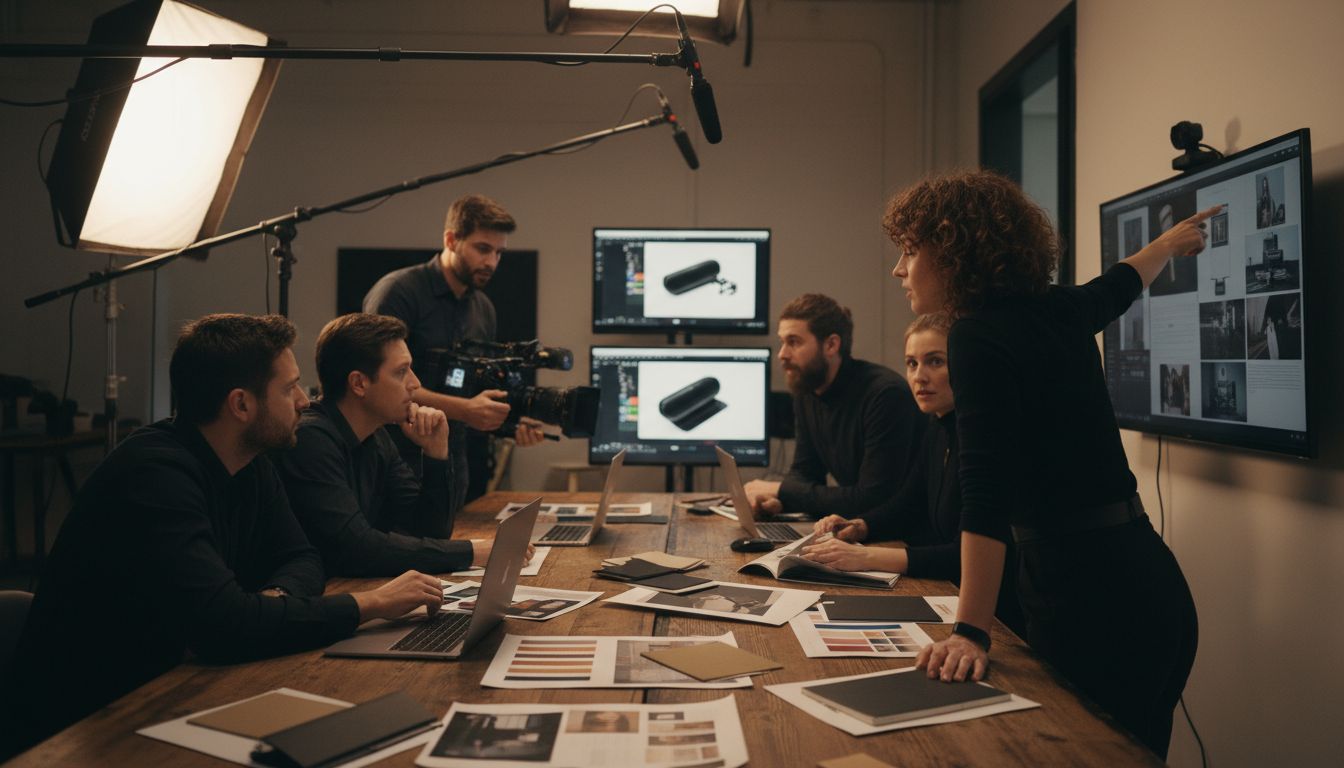
Did you know that viewers retain an impressive 95 percent of a message when watching it in a video compared to only 10 percent when reading text?
Video storytelling has the power to leave a lasting impression, but without a clear plan, even the best ideas can miss the mark. Discover how a well-structured approach turns simple footage into stories that move people and grow your brand.
Table of Contents
Quick Summary
Key Point | Explanation |
1. Understand Your Audience Deeply | Build comprehensive profiles including demographics and psychographics to connect authentically with viewers. |
2. Craft a Compelling Story Structure | Use the Hero’s Journey model to create an emotional narrative that follows transformation and growth. |
3. Plan Visual Elements Strategically | Create a visual mood board and select styles that align with your brand for a coherent visual narrative. |
4. Produce High-Quality Footage and Audio | Capture clear audio and high-quality video to enhance the emotional impact and immersion of your storytelling. |
5. Edit for Clarity and Flow | Ensure your video has a seamless narrative by eliminating unnecessary footage and maintaining strong sound quality. |
Step 1: Identify target audience and key messages
Creating an impactful video story starts with knowing exactly who you want to reach and what message will resonate with them. Understanding your audience means going beyond basic demographics and diving deep into their world.
Start by building a comprehensive audience profile. Ask yourself critical questions about who they are. What challenges keep them up at night? What aspirations drive their decisions? According to research from Split Motion, understanding your audience is crucial for crafting a video that speaks directly to their challenges, interests, and motivations.
Begin with demographic research. Map out age ranges, professional backgrounds, geographic locations, and income levels. But do not stop there. Dig into psychographics tracking their values, interests, pain points, and communication preferences. Use surveys, interviews, social media insights, and customer feedback to create a nuanced picture.
Simultaneously, reflect on your brand’s core narrative. According to Chambers Group, exploring your brand’s origin and the values that inspired its creation helps pinpoint essential themes and messages. What sparked your company’s journey? What problems are you solving? What makes your approach unique?
Pro Tip: Create a detailed audience persona document that feels like a real person you can speak to directly.
Once you understand your audience and your brand story, align these insights. Find the intersection where your brand’s mission meets your audience’s deepest needs. This sweet spot is where truly compelling video stories are born.
Next, you will transform these insights into a concrete storytelling strategy that connects authentically with your viewers.
Step 2: Develop a compelling story structure
Now that you understand your audience, it is time to craft a narrative that will transform your video from mere content to a memorable experience. Developing a compelling story structure is about creating an emotional journey that resonates with viewers and keeps them engaged.
According to research from RevID, the Hero’s Journey provides an excellent framework for storytelling.
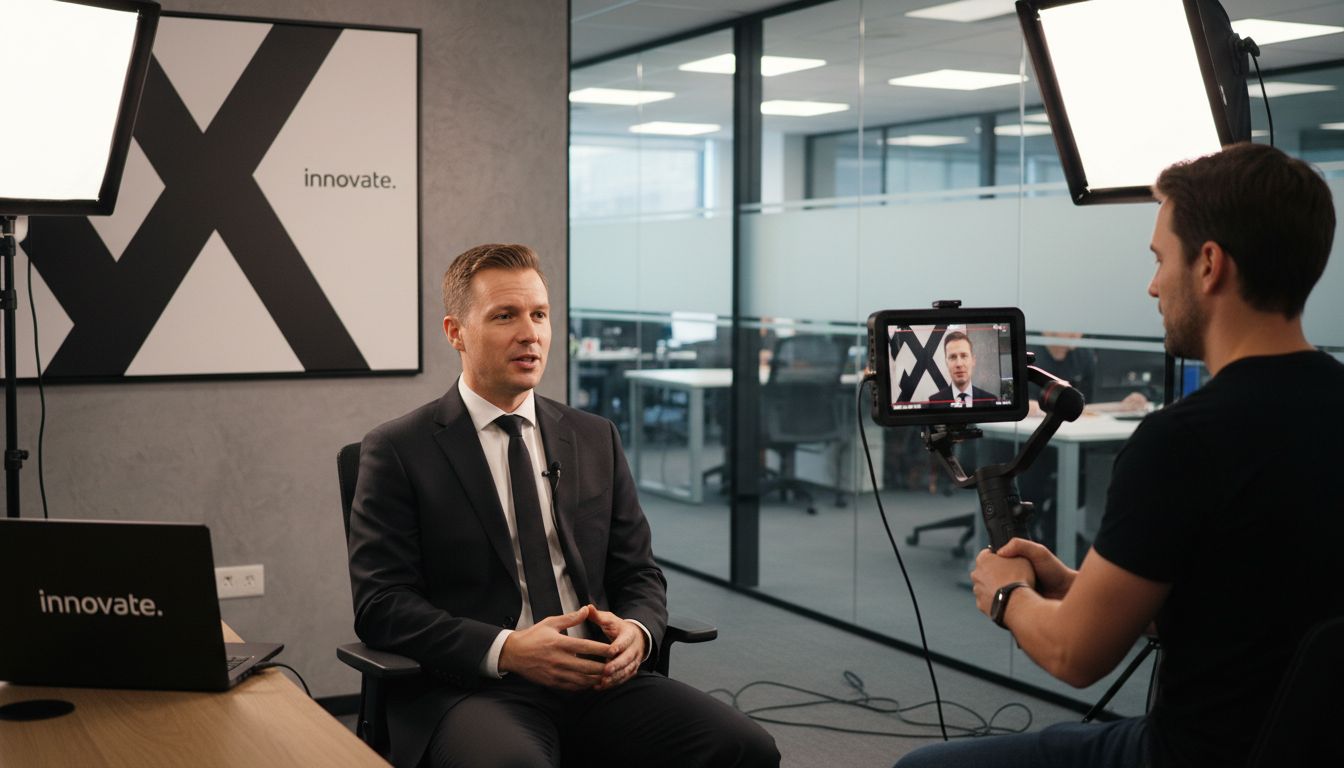
This narrative structure follows a protagonist who embarks on an adventure, encounters challenges, ultimately triumphs, and returns transformed. This classic pattern works because it mirrors the human experience of growth and overcoming obstacles.
Start by identifying your protagonist. This could be a customer, an employee, or even your brand itself. What is their core challenge? What transformation will they undergo? As Brand VM suggests, incorporating storytelling aspects allows you to connect with viewers on an emotional level.
Structure your narrative in three key acts:
Setup: Introduce the protagonist and their initial situation
Confrontation: Present the challenges and obstacles they must overcome
Resolution: Show how they triumph and what they learned
Pro Tip: Make your protagonist’s journey feel authentic. Viewers can sense when a story feels manufactured.
Remember that conflict drives narrative. Without tension, your story becomes flat. Your protagonist needs meaningful obstacles that create genuine emotional stakes. These challenges should directly relate to the problems your brand solves.
The most powerful stories are not about selling a product but about human experience. Your video should make viewers feel something deep and memorable.
Next, you will learn how to bring this story structure to life through strategic visual and emotional elements.
Step 3: Plan visuals and tailor video content
With your story structure in place, it is time to breathe life into your narrative through thoughtful visual planning. Visuals are the heartbeat of your video storytelling strategy the elements that will transform your abstract narrative into a compelling visual experience.
According to Peak Bound Studios, strategic pacing is crucial in establishing the rhythm of your narrative. This means carefully determining how long to linger on a shot or how quickly to move through a sequence. Good pacing holds viewer attention without overwhelming them while creating emotional resonance.
Chambers Group emphasizes that selecting the right visual style is critical. Your visuals must align seamlessly with your brand identity to create an impactful and memorable experience.
Start by creating a visual mood board that captures the essence of your story. Include color palettes, lighting references, shot compositions, and emotional tones that reflect your brand and narrative. Consider these key visual elements:
Color psychology and brand alignment
Lighting that enhances emotional tone
Composition that guides viewer attention
Movement and camera techniques that support storytelling
Pro Tip: Consistency is key. Ensure your visual style remains coherent throughout the video.
Think about camera angles that best convey your protagonist’s emotional journey. A low angle might represent vulnerability, while a sweeping wide shot could symbolize triumph. Every visual choice should intentionally support your narrative arc.
Remember that authenticity trumps perfection. Your visuals should feel genuine and connect emotionally rather than appearing overly polished or artificial.
Next, you will learn how to craft a compelling script that brings your visual story to life.
Step 4: Produce high-quality footage and audio
With your visual strategy mapped out, it is time to transform your creative vision into tangible, professional video content. Producing high-quality footage and audio is where your storytelling truly comes to life.
According to Peak Bound Studios, sound design is a powerful tool that shapes audience emotional experience. Voiceovers, music, ambient noise, and sound effects work together to build emotional tone and transform passive watching into an immersive storytelling journey.
Chambers Group emphasizes that incorporating music and sound effects can dramatically enhance your video’s emotional impact. The right soundtrack deepens audience connection with your brand story.
When capturing footage, prioritize these technical considerations:
Use professional grade equipment
Select appropriate lighting conditions
Capture multiple takes and angles
Ensure sharp focus and stable framing
Record high quality audio separately
Pro Tip: Invest in good external microphones. Built-in camera mics often produce subpar sound quality.
For audio production, layer your soundtrack strategically. Begin with clear dialogue recordings, then add background music that matches your narrative emotional tone. Subtle sound effects can add depth and authenticity to your storytelling.
Remember that technical perfection serves your story. Every visual and audio element should support the emotional journey you are creating.
Next, you will learn how to edit your footage into a cohesive and compelling narrative.
Step 5: Review, edit, and finalize your video
With your raw footage captured, the editing process transforms your individual shots into a powerful storytelling experience. This stage is where your video truly comes alive, connecting emotional moments and creating a compelling narrative flow.
According to Adobe, ensuring clarity is essential. Avoid presuming your audience knows anything you haven’t explicitly shared. Filling in narrative gaps prevents viewer disconnection and maintains engagement.
Storyteller Videos emphasizes that providing conflict resolution heightens the emotional experience. By addressing and resolving narrative tensions, you build a deeper connection with your viewers.
During the editing process, focus on these key elements:
Maintain narrative momentum
Eliminate unnecessary footage
Ensure smooth transitions
Balance pacing and emotional beats
Verify audio and visual quality
Pro Tip: Watch your edit without sound first. This helps you evaluate the visual storytelling and emotional progression.
Review your narrative arc critically. Each scene should serve a specific purpose in advancing your story. Cut anything that does not directly contribute to your core message or emotional journey.
Pay special attention to sound mixing. Balanced audio levels create a professional feel and prevent viewer distraction. Subtle sound design can dramatically enhance emotional impact.
Remember that great editing is invisible. Your goal is to create a seamless experience that feels natural and authentic.
Next, you will prepare your video for distribution across different platforms.
Here’s a summary comparing each key step of the video storytelling process:
Step | Main Focus | Key Actions | Success Tips |
Identify Audience & Messages | Deep audience insight | Build profiles Research demographics Uncover pain points | Create detailed personas |
Develop Story Structure | Emotional narrative | Define protagonist Craft 3-act story Add conflict & resolution | Keep journey authentic |
Plan Visuals & Content | Visual alignment Brand consistency | Make mood board Choose style Set pacing | Ensure visual coherence |
Produce Footage & Audio | Technical execution | Capture quality video Record clear audio Add music & SFX | Use pro microphones |
Review & Edit | Cohesive narrative Polished delivery | Edit for flow Mix audio Cut non-essentials | Edit with sound off |
Bring Your Brand Story to Life with Expert Video Production
Creating a compelling video story means overcoming challenges like connecting deeply with your audience and crafting an authentic emotional journey. This guide highlights the importance of targeting your viewers’ pain points and developing a structured narrative that resonates. At Tulip Films, we understand these core storytelling essentials and specialize in delivering high-quality audiovisual content that transforms your brand’s mission into captivating visuals.
Whether you need professional corporate videos, engaging promotional ads, or event videos, our personalized approach ensures every frame reflects your unique story with clarity and emotional impact. Our expert team handles everything from concept development to production and editing, helping you achieve rapid delivery without sacrificing quality.
Ready to turn your video storytelling vision into reality with a team that values authenticity and precision?
Partner with us at Tulip Films today to plan your free consultation and start creating videos that truly engage your audience and elevate your brand presence.
Frequently Asked Questions
How do I identify my target audience for video storytelling?
Understanding your target audience begins with creating a detailed audience profile. Conduct demographic research and gather psychographic insights such as their values and pain points. Use surveys or social media feedback to refine this profile.
What is the Hero’s Journey, and how can it enhance my brand’s video storytelling?
The Hero’s Journey is a narrative structure that follows a protagonist through challenges and transformation, making it relatable to viewers. Incorporate this framework into your video by defining a protagonist, presenting their challenges, and showcasing their growth. By aligning your brand’s message with this emotional journey, you can create deeper connections with your audience.
What key visual elements should I consider when planning my video?
When planning visuals, focus on color psychology, lighting, composition, and camera movement. Create a visual mood board to establish a cohesive style that aligns with your brand identity. This consistency will enhance the emotional impact of your storytelling.
How can I produce high-quality footage and audio for my video?
To produce high-quality footage, use professional equipment and ensure proper lighting and framing. Record audio separately with good external microphones to achieve clear sound. Aim to capture multiple takes for flexibility during editing, enhancing the overall production quality.
What should I focus on during the video editing process?
During editing, maintain narrative momentum by ensuring every scene contributes to the story’s emotional progression. Cut any unnecessary footage and verify audio quality for a polished final product. Prioritize clarity and smooth transitions to create a cohesive viewing experience.
How can I effectively distribute my video across different platforms?
To distribute your video effectively, tailor it for each platform’s specific format and audience preferences. Consider the best practices for each platform, including optimal video length and visual styles. Create a distribution schedule to maximize reach and engagement, aiming for consistent posting over 30–60 days.
Recommended
